

Introduction
As the world shifts toward sustainable living, modern homeowners are actively seeking innovative lighting solutions that blend eco-friendliness with cutting-edge technology. The year 2026 marks a significant advancement in lighting design, emphasizing energy efficiency, smart automation, and environmentally responsible materials. These trends are not only beneficial for reducing ecological impact but also elevate interior aesthetics, making homes smarter, greener, and more personalized.
The Significance of Eco-Conscious Lighting in Modern Living
Choosing sustainable lighting is more than a design choice — it's a lifestyle shift toward minimizing environmental impact while enhancing comfort and functionality. Here's why eco-conscious lighting matters:
- Reduced Energy Consumption: Significantly lowers electricity bills through efficient fixtures and intelligent controls.
- Environmental Stewardship: Supports renewable energy initiatives and reduces greenhouse gas emissions.
- Health and Wellbeing: Circadian lighting systems improve sleep patterns, boost productivity, and promote overall wellness.
- Design Flexibility: Eco-friendly materials and innovative forms allow for versatile and distinctive interior styles.
Sustainable Lighting Trends Driving Innovation in 2026
1. Solar-Powered LED Fixtures for Indoor and Outdoor Use
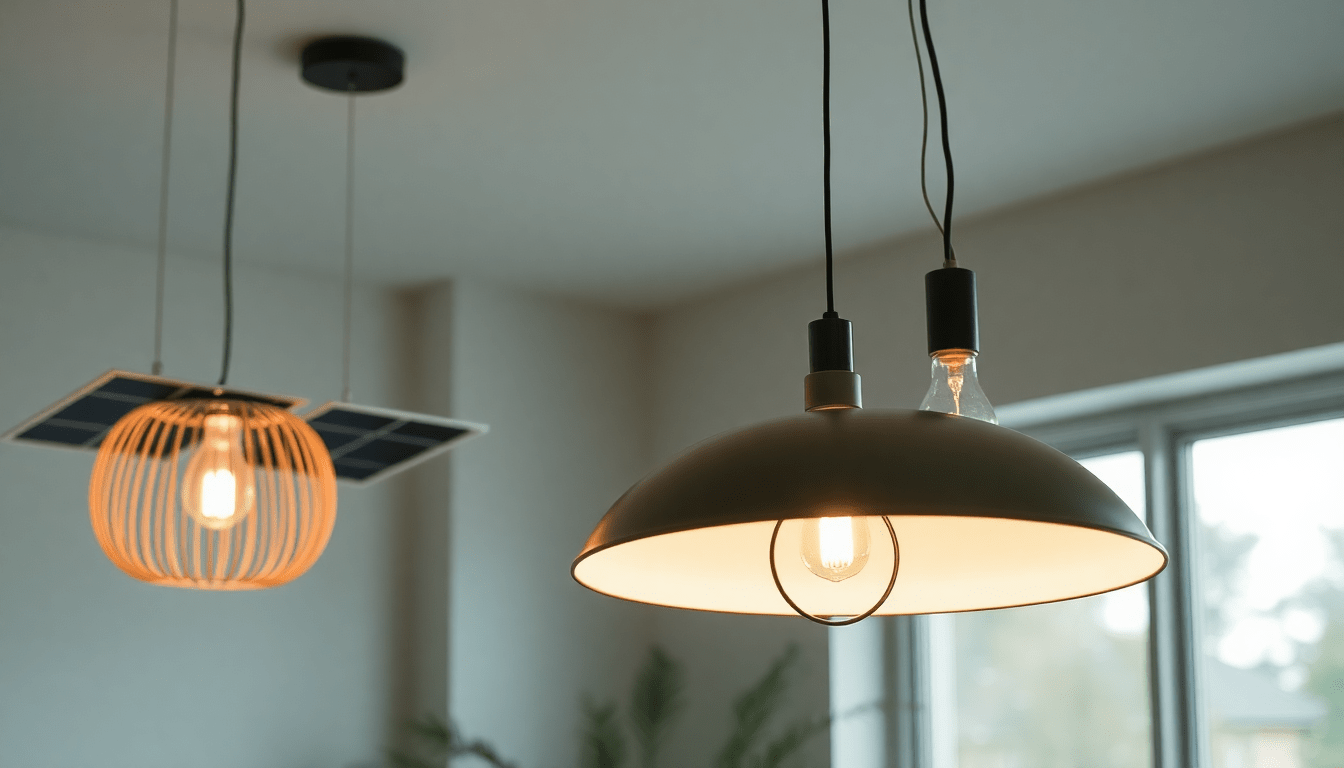
Advancements in photovoltaic technology have made solar-powered lighting fixtures a practical option for both indoor and outdoor spaces. These fixtures store solar energy during the day and illuminate homes at night, eliminating reliance on grid electricity and reducing carbon emissions. Additionally, sleek designs now integrate solar panels seamlessly, maintaining aesthetic integrity.
2. Intelligent, AI-Integrated Lighting Systems
Artificial intelligence (AI) enhances lighting systems to learn household habits, automatically adjusting brightness, color temperature, and even schedules. These smart systems ensure optimal lighting conditions while minimizing energy waste. Integration with voice assistants and home automation platforms simplifies control and customization.
3. Use of Recycled and Eco-Friendly Materials
Lighting products crafted from reclaimed wood, recycled metals, and biodegradable plastics are gaining popularity. These materials not only reduce environmental harm but also introduce unique textures and finishes, adding character to interior spaces. Brands are increasingly transparent about sourcing and sustainability credentials, appealing to eco-conscious consumers.
4. Human-Centric and Circadian Lighting Designs
Lighting that mimics natural daylight cycles supports human health. Tunable LEDs can change hue and brightness throughout the day, aligning with circadian rhythms to improve sleep, mood, and productivity. Such lighting is especially vital as more people work from home and spend increased time indoors.
5. Minimalist, Modular, and Versatile Fixtures
Sustainable design often aligns with minimalism, where multifunctional and modular lighting fixtures adapt to various spaces. These designs favor simplicity, ease of installation, and scalability. Modular systems can be reconfigured or expanded, reducing waste and extending product lifecycle.
Practical Tips for Implementing Sustainable Lighting in Your Home
- Layer Your Lighting: Combine ambient, task, and accent lighting using energy-efficient fixtures to create a balanced interior that reduces energy use.
- Smart Controls and Dimmers: Install AI-powered dimmers and motion sensors to automatically adjust lighting based on occupancy and natural light availability.
- Opt for Sustainable Materials: Choose fixtures made from recycled, biodegradable, or sustainably sourced materials to lessen environmental impact.
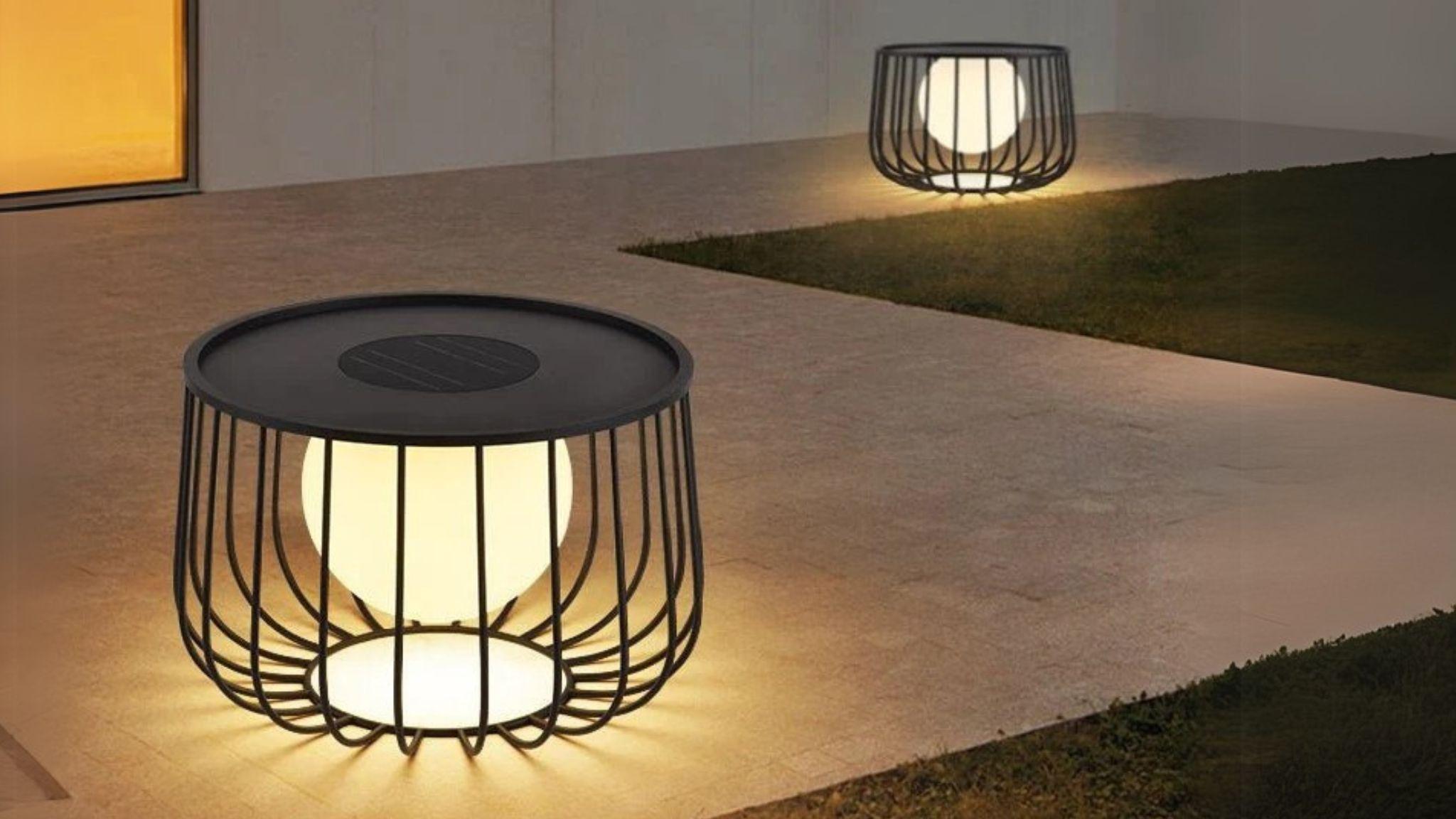
- Leverage Solar Power: Incorporate solar-powered outdoor lights around gardens, pathways, and patios for sustainable landscape lighting.
- Embrace Tunable and Circadian Lighting: Use tunable LEDs in living and workspaces to enhance wellbeing and adapt lighting to different times of day.
- Regular Maintenance and Upgrades: Periodically upgrade to the latest energy-efficient bulbs and fixtures to maximize longevity and performance.
Future Outlook: The Next Generation of Eco-Friendly Lighting
Looking ahead, technological innovations will continue to revolutionize eco-conscious lighting. Developments anticipated include:
- Integration with Renewable Energy Systems: Homes powered by small-scale renewable sources like wind and solar will seamlessly integrate lighting to optimize energy use.
- Biophilic Lighting Designs: Incorporating natural elements and colors to foster a connection with nature, promoting mental health and environmental awareness.
- Advanced Recycling Technologies: New methods for recycling and repurposing lighting components during repairs or end-of-life disposal.
- Decentralized Power Generation: Homes generating and sharing electricity locally, reducing strain on grid-powered lighting solutions.
Conclusion
In 2026, sustainable lighting solutions are redefining how we illuminate our spaces. By prioritizing energy efficiency, renewable sources, and eco-friendly materials, homeowners can create beautifully lit environments that are in harmony with the planet. Incorporating these innovative trends not only enhances interior design but also contributes to a healthier, more sustainable future.
Embrace these advancements to transform your home into a beacon of sustainability and style. For curated lighting, decor, and furniture designed for modern, eco-conscious living, visit XENTAR. Discover the perfect elements to elevate your aesthetic while supporting environmental responsibility.
Share:
How to Integrate Sustainable Smart Lighting Solutions for a Luxe Modern Interior in 2026
Transform Your Interior Atmosphere with Cutting-Edge Smart Lighting and Eco-Friendly Decor Innovations in 2026