

Introduction
As we step into 2026, lighting design emerges as a vital aspect of modern interior aesthetics, emphasizing sustainability, smart technology integration, and versatile functionality. The latest trends reflect a shift towards eco-friendly solutions that are not only stylish but also adaptable to diverse lifestyles. Whether you're renovating a cozy apartment or designing a large-scale commercial space, understanding these lighting innovations can significantly transform your environment, enhancing both its beauty and sustainability.
1. The Rise of Smart Lighting Technology for Future-Ready Spaces
Innovation in smart lighting systems continues to accelerate, driven by advancements in IoT and AI technologies. These systems turn ordinary lighting into an intelligent component of your home or office, offering unprecedented control and customization. Key features include:
- Voice-Control Integration: Compatibility with voice assistants like Alexa, Google Assistant, and Siri allows effortless control of lighting settings with simple voice commands.
- Automated Schedules and Scenes: Program your lighting to adapt to daily routines or special occasions, creating the perfect ambiance at the right time without manual intervention.
- Presence Detection and Adaptive Lighting: Sensors detect occupancy and natural light levels, adjusting internal lighting automatically to optimize comfort and energy savings.
- Remote Access and Monitoring: Manage your lighting from anywhere using smartphone apps, ensuring security and convenience, especially in multi-purpose spaces or vacation homes.
This shift toward intelligent lighting enhances energy efficiency, convenience, and personalized ambiance, making spaces more responsive and adapted to modern lifestyles.
2. Emphasizing Sustainability with Eco-Friendly Lighting Solutions
Environmental consciousness is embedded deeply into 2026's design ethos. Lighting fixtures and technologies are now delivering high performance with minimal ecological footprints. Focus areas include:
- Recycled and Sustainable Materials: Manufacturers are leveraging recycled metals, biodegradable plastics, and natural materials for fixtures, reducing waste and resource consumption.
- High-Efficiency LED Technologies: LED lighting dominates due to its long lifespan and low energy usage, with innovative designs that resemble natural fixtures for aesthetic appeal.
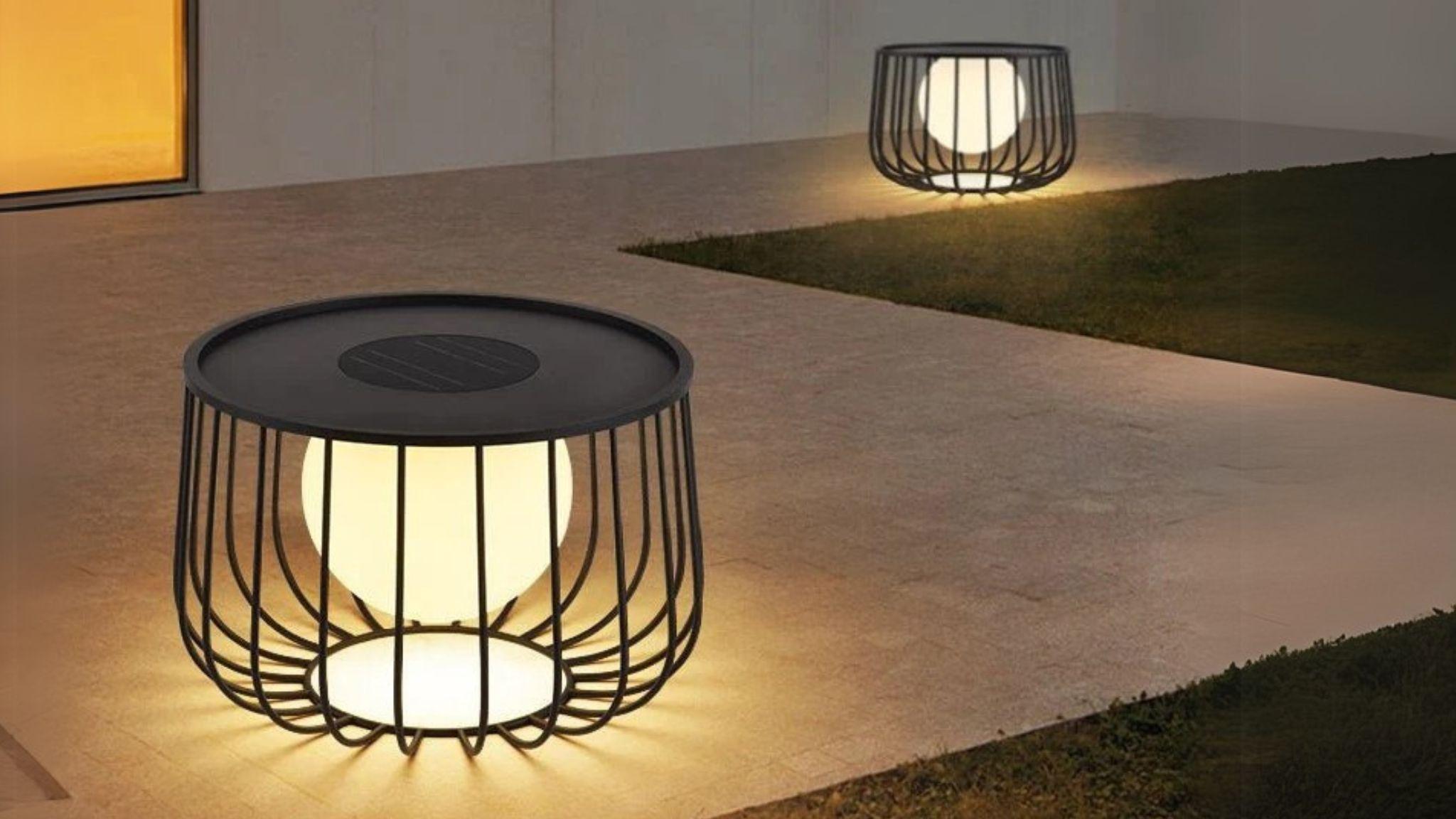
- Solar-Powered Outdoor and Indoor Lighting: Solar LEDs are increasingly popular, providing off-grid options that eliminate reliance on electrical grids and reduce carbon emissions.
- Low-Impact Manufacturing Processes: A focus on reducing waste and energy consumption during production aligns with sustainable interior design principles.
Adopting eco-friendly lighting not only benefits the environment but also results in long-term cost savings, making it a smart choice for environmentally conscious consumers.
3. Multi-Functional and Modular Lighting Fixtures for Flexibility
Modern interiors demand lighting solutions that can adapt to changing needs. Modular and multi-purpose fixtures are at the forefront of this trend, offering:
- Adjustability and Customization: Fixtures with multiple arms, adjustable brightness, and color options for tailored atmospheres.
- Combination of Ambient, Task, and Accent Lighting: Hybrid fixtures that can switch between different lighting modes, reducing clutter and simplifying design.
- Interchangeable Components: Modular units that can be reconfigured as space requirements evolve, ideal for open-plan layouts and multi-use rooms.
- Integrated Storage and Features: Fixtures combined with shelving or charging stations to maximize space efficiency.
This versatility supports flexible living and working environments, catering to evolving aesthetic and functional needs while reducing clutter.
4. Artistic and Sculptural Lighting for Unique Interior Statements
Lighting as a form of artistic expression has gained momentum in 2026. Sculptural, statement fixtures transform lighting from functional to decorative art pieces that serve as focal points. Highlights include:
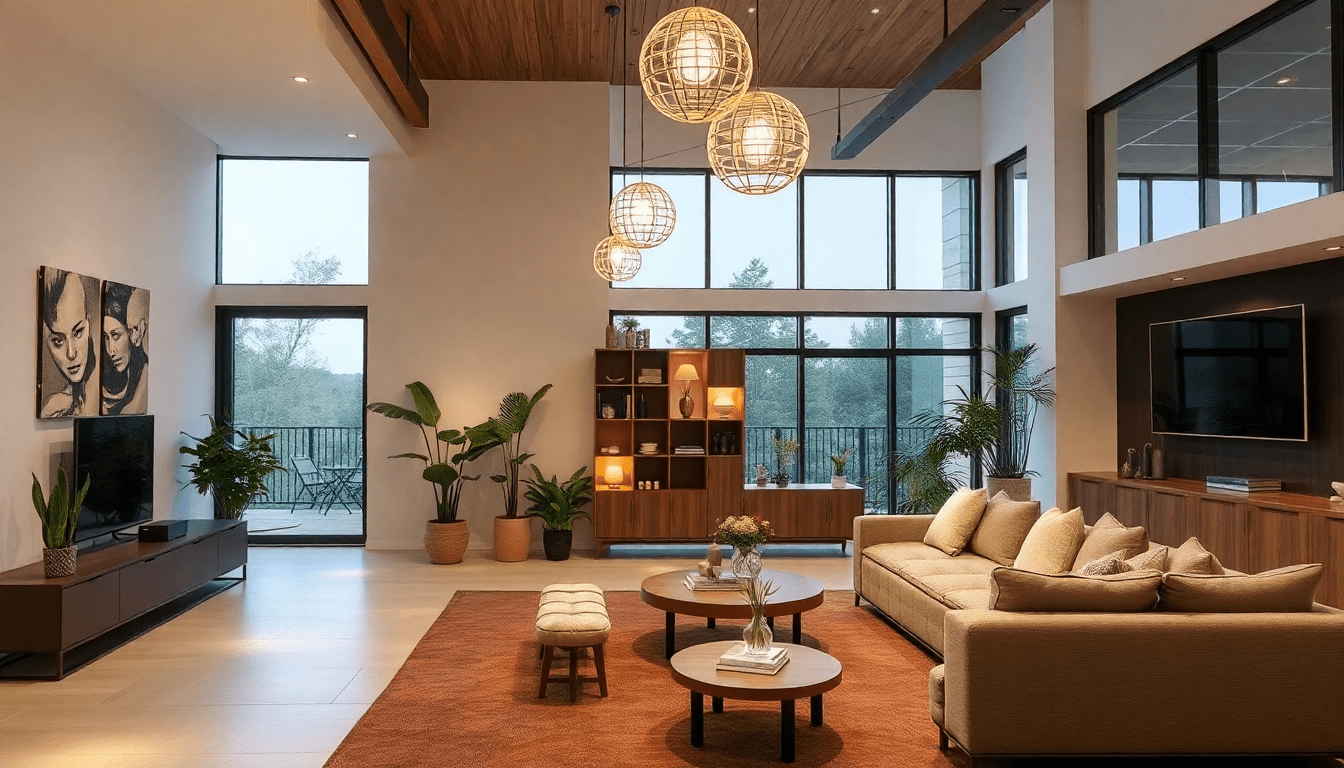
- Statement Chandeliers and Pendants: Large-scale fixtures made from innovative materials like recycled glass, bio-based resins, or metals with artistic finishes.
- Dynamic LED Installations: Color-changing and programmable lighting art that reacts to music, movement, or user preferences.
- Customizable Artistic Fixtures: Collaborations with designers or artists to create one-of-a-kind lighting sculptures tailored to interior themes.
- Integrated Lighting in Art Installations: Combining lighting with wall art, furniture, or architectural features for cohesive aesthetic statements.
Incorporating artistic lighting elevates space design, fostering environments that are visually rich and emotionally engaging.
5. Ambient Lighting for Cozy and Inviting Spaces
Ambient lighting remains central to creating warm, inviting environments in 2026. Innovative ideas include:
- Dimmable and Layered Lighting Schemes: Combining multiple light sources at different levels for depth and mood control.
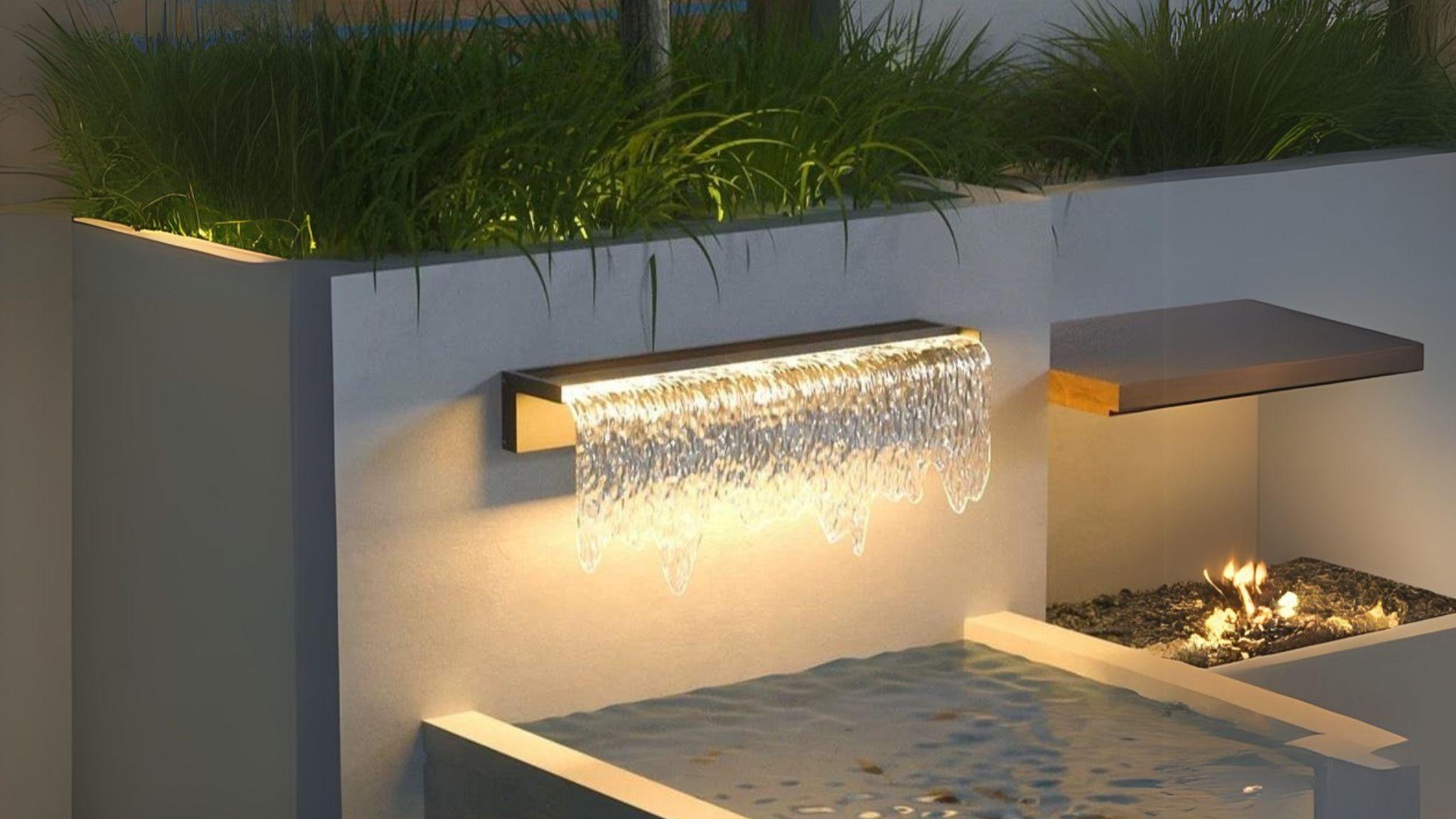
- Hidden and Indirect Lighting: Concealed fixtures in coves, under shelves, or architectural recesses that create a soft, glow without harsh shadows.
- Warm Color Temperature LED Lights: Use of amber or golden hues to mimic natural sunset lighting, fostering relaxation and comfort.
- Smart Control for Dynamic Ambiance: Automated and app-controlled presets that change the room’s mood seamlessly during different times of day or activities.
These approaches support the creation of versatile, calming spaces suited for relaxation, work, or social gatherings.
6. Seasonally Adaptive and Trend-Responsive Lighting Choices
Lighting that adapts with seasons or trends offers dynamic interior possibilities. Strategies include:
- Color-Changing and Tunable Lighting: LEDs that shift color temperatures and hues to reflect seasonal palettes, from warm autumn tones to cool winter whites.
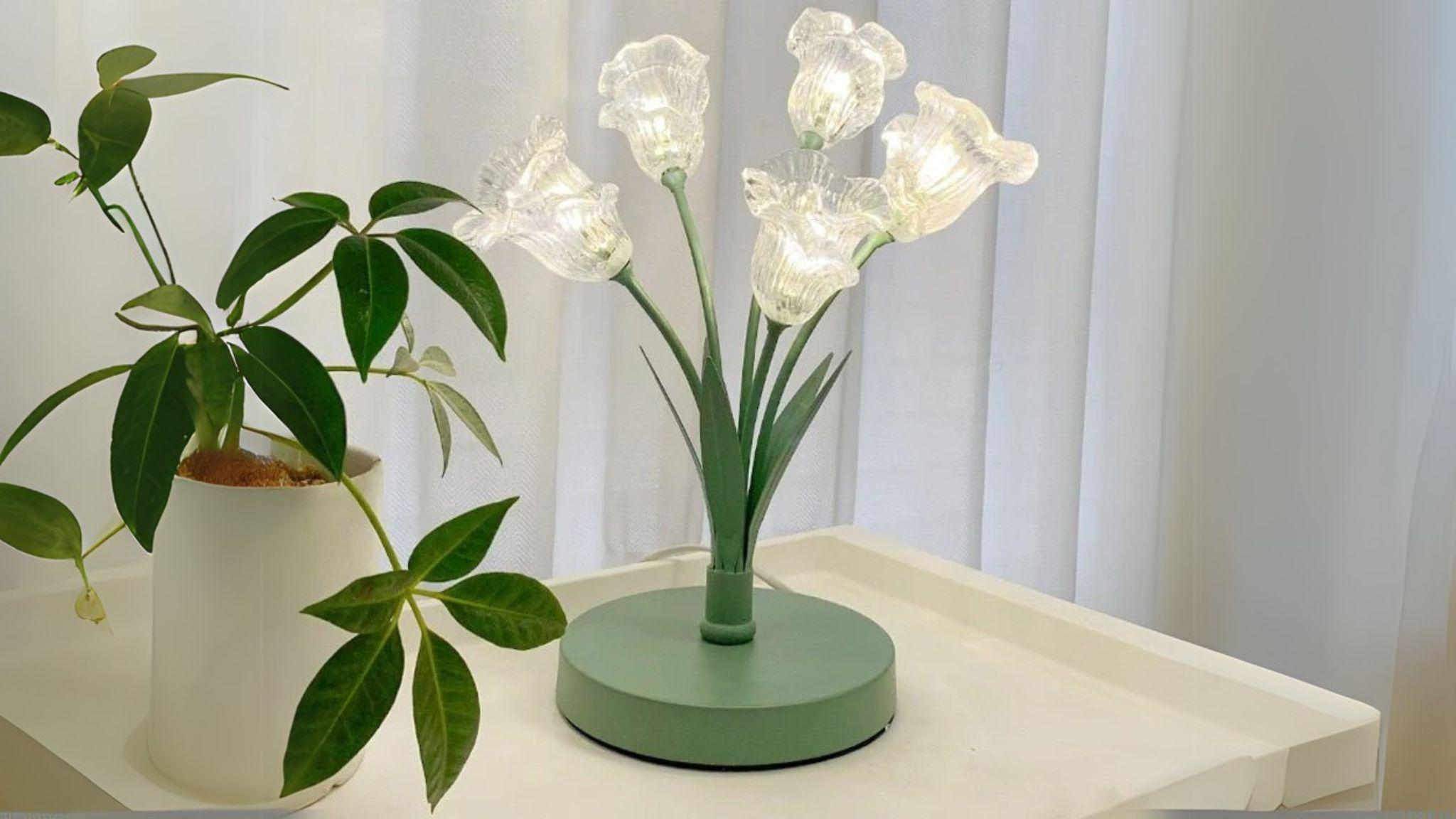
- Decorative Accents Inspired by Nature and Trends: Incorporation of floral motifs, oceanic shades, or minimalist designs aligning with current decor movements.
- Programmable and Scene-Based Settings: Pre-set lighting scenes for different times of the year, holiday events, or fashion trends.
- Nature-Inspired Lighting Elements: Fixtures mimicking natural objects such as tree branches, leaves, or rocky formations for a biophilic effect.
Staying flexible with lighting choices encourages seasonal refreshes, keeping interiors vibrant and engaging all year round.
7. Integrating Human-Centric and Circadian Lighting
Understanding the impact of lighting on well-being has led to the development of human-centric lighting that aligns with natural circadian rhythms. Features include:
- Adaptive Light Spectrum: Tunable lighting that mimics natural daylight patterns, enhancing mood and productivity.
- Light Intensity Control: Brightness adjustments that support sleep, wakefulness, and overall health.
- Sleep-Friendly Night Lighting: Warm, low-intensity lights for nighttime use that minimize circadian disruption.
Incorporating circadian-friendly lighting fosters healthier living environments, especially in homes and workplaces with limited natural light exposure.
8. Future Outlook: The Convergence of Lighting, Design, and Technology
The landscape of interior lighting in 2026 points toward a holistic approach where technology, sustainability, and aesthetics are seamlessly integrated. Emerging innovations include:
- Augmented Reality (AR) and Virtual Reality (VR) for Lighting Planning: Tools allowing homeowners and designers to visualize lighting effects in virtual spaces before installation.
- Biophilic Lighting Concepts: Incorporating natural elements and light variations to enhance well-being and connectivity with nature.
- Energy-Positive Lighting Installations: Systems that generate as much energy as they consume, contributing to zero-net-energy homes.
- Wireless Power and Control Systems: Eliminating the need for extensive wiring, simplifying installation, and enabling more innovative designs.
The future of lighting is dynamic, interconnected, and fundamentally focused on enhancing human experience while respecting planetary boundaries.
Conclusion
In 2026, innovative lighting design is all about blending technology, sustainability, and artistry to create versatile, eco-friendly, and personalized environments. From smart adaptive solutions to sculptural art pieces and seasonally responsive schemes, the possibilities are endless for those seeking to elevate their interiors. Embracing these trends ensures that your space is not only aesthetically compelling but also aligned with the values of sustainability and well-being.
Visit XENTAR for more lighting, decor & furniture curated for modern homes and creative spaces.
Share:
Revolutionizing Interior Ambiance: Innovative Smart Lighting Solutions for Sustainable Modern Homes in 2026
Elevate Your Interior Design with Innovative Lighting Concepts and Smart Solutions for 2026