

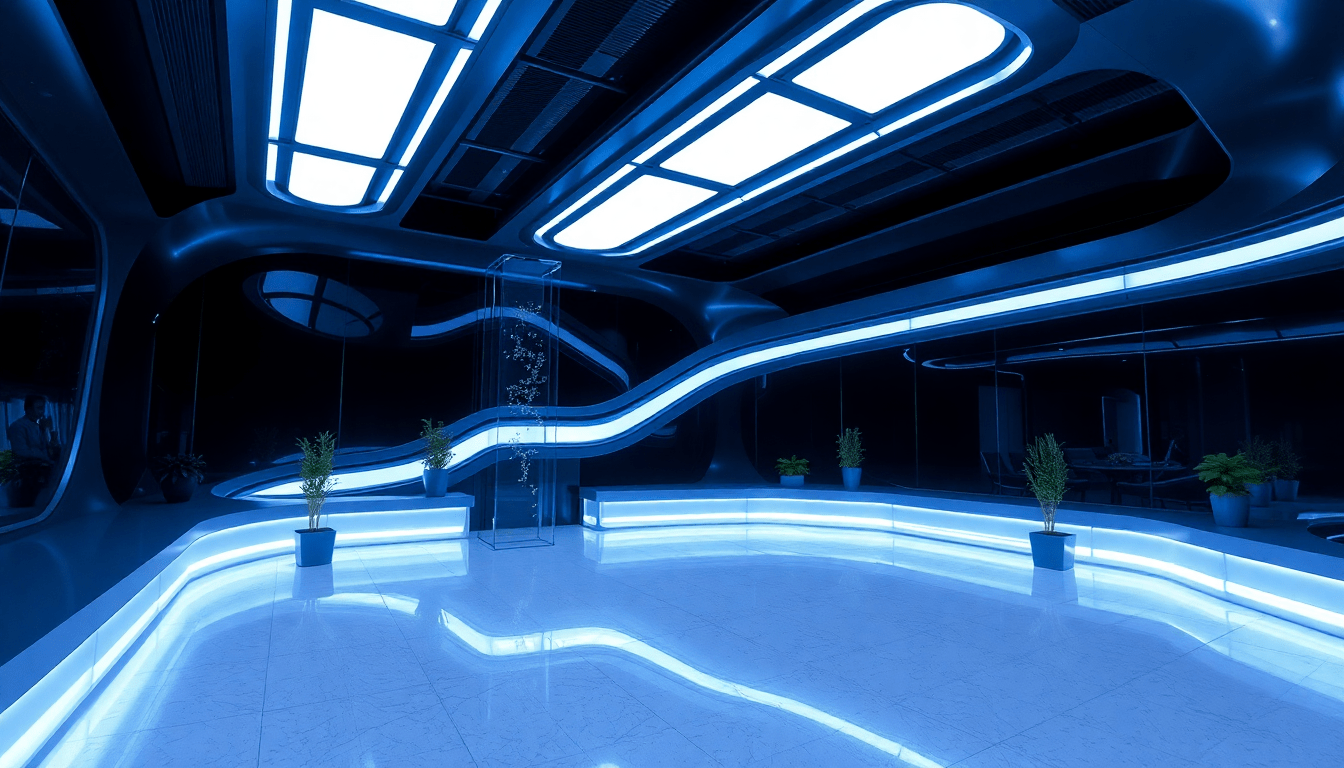
Introduction: Embracing Sustainability and Innovation in Modern Interior Lighting
As we navigate through 2026, the integration of sustainable and smart lighting solutions has become a cornerstone of modern interior design. These innovations not only enhance aesthetics and functionality but also significantly reduce environmental impact. The evolving landscape is driven by technological advancements, greater environmental awareness, and a desire for healthier living and working spaces. This comprehensive guide delves into the most groundbreaking approaches to eco-conscious smart lighting that are shaping the future of modern interiors.
1. Leveraging Advanced LED Technologies for Eco-Friendly Illumination
The foundation of energy-efficient lighting lies in cutting-edge LED technologies that continue to evolve rapidly. These innovations deliver high-quality illumination while consuming less power, embodying the principles of sustainability.
- OLED and MicroLED Innovations: Organic Light Emitting Diodes (OLEDs) and MicroLEDs are revolutionizing lighting design. OLEDs are flexible, ultra-thin panels offering diffuse, glare-free light ideal for ambient purposes, while microLEDs provide intense, vibrant light suitable for task lighting and decorative accents. Both systems consume significantly less energy and have longer lifespans.
- Human-Centric and Tunable LED Systems: These smart LEDs dynamically adjust color temperature and brightness to match natural circadian rhythms, enhancing wellbeing and productivity. Such adaptive lighting reduces unnecessary energy consumption while supporting human health.
2. Integration of Renewable Energy Sources
Harnessing renewable energy for lighting systems elevates their eco-friendliness, moving towards virtually energy-neutral interiors.
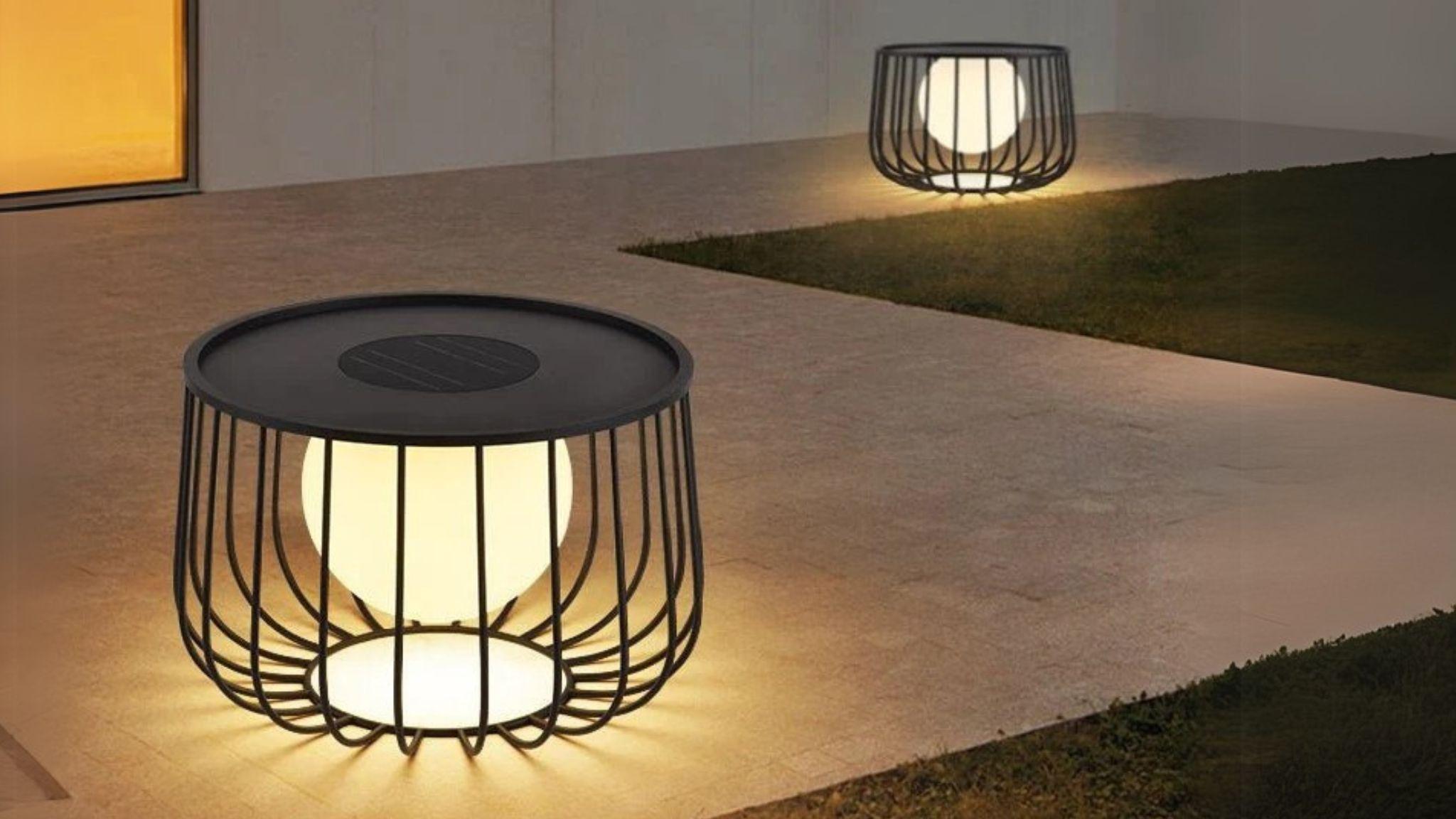
- Solar-Powered Lighting Solutions: Integrating photovoltaic panels into lighting fixtures or utilizing solar-powered outdoor lighting enhances sustainability, especially for shared or exterior spaces. These systems store excess energy during the day for use at night, reducing reliance on grid power.
- Wind and Kinetic Energy Harvesting: Emerging technologies tap into ambient kinetic energy—such as movement or airflow—to generate power for low-energy lighting systems. These innovations are particularly suited for large open commercial interiors or spaces with high foot traffic.
3. IoT-Enabled Smart Lighting Controls for Efficiency and Automation
The Internet of Things (IoT) has transformed how we manage lighting, making it smarter, more responsive, and more energy-efficient.
- Automated Scheduling and Presence Detection: Sensors detect occupancy and natural light levels, adjusting artificial lighting accordingly to maximize efficiency and comfort.
- Remote & Voice Control Integration: Smartphone apps, voice assistants, and smart home ecosystems allow users to control lighting remotely, set scenes, or tailor lighting schemes swiftly, optimizing energy use and ambiance.
- Data-Driven Optimization: Advanced analytics monitor energy consumption, providing insights that help property managers and homeowners improve sustainability practices over time.
4. Eco-Conscious Design and Material Choices
Sustainability extends beyond the technology to the materials and manufacturing processes used in lighting fixtures.
- Sustainable and Recycled Materials: Use of recycled plastics, biodegradable composites, and environmentally friendly finishes minimizes ecological footprints. Innovative materials like bioplastics and plant-based composites are increasingly prevalent.
- Minimalist, Modular, and Upgradable Designs: Fixtures designed for ease of maintenance and upgrade reduce waste. Modular components allow for targeted replacements and customization, enhancing lifespan and reducing environmental impact.
5. Adaptive and Seasonal Lighting Systems
Lighting that adapts to natural and seasonal changes ensures optimal energy use and healthier living environments.
- Dynamic Light Adjustment: Smart systems automatically calibrate indoor lighting to complement natural daylight, decreasing the need for artificial light during brighter seasons or times of the day.
- Human-Centric Seasonal Cycles: Lighting plans can simulate natural sunlight patterns, supporting circadian health and reducing energy waste, especially in regions with limited natural light during winter months.
6. Eco-Conscious Design Integration in Interior Spaces
Lighting design now plays a vital role in holistic interior architecture. Incorporating sustainability requires thoughtful planning:
- Layered Ambient, Task, and Accent Lighting: Combining various lighting layers maximizes visual comfort while minimizing energy use.
- Decorative, Functional Fixtures: Incorporate fixtures made from sustainable materials that complement eco-friendly interiors, enhancing aesthetic appeal without compromising environmental principles.
7. The Future of Smart Lighting—Emerging Trends
Looking ahead, several trends promise to further integrate environmental consciousness with cutting-edge technology:
- AI-Powered Lighting Systems: Artificial intelligence algorithms predict user behavior, adapting lighting to optimize comfort and efficiency automatically.
- Bio-Inspired and Organic Designs: Inspirations from nature lead to designs that are both visually appealing and environmentally responsible.
- Integration with Green Building Certifications: Smarter lighting solutions contribute toward achieving LEED, WELL, and BREEAM certification standards, promoting sustainability on a global scale.
Conclusion: Pioneering a Sustainable Future in Interior Lighting
By adopting these innovative, eco-conscious approaches, architects, interior designers, and homeowners can create healthier, more sustainable living and working environments. The future of smart lighting in 2026 is about harmony—balancing cutting-edge technology with sustainable principles for a greener, brighter future.
Remaining at the forefront of sustainable interior lighting not only benefits the environment but also elevates space aesthetics and occupant wellbeing. As innovation continues, the possibilities for eco-friendly, smart lighting are virtually limitless.
Visit XENTAR for more lighting, decor & furniture curated for modern homes and creative spaces.
Share:
Innovative Strategies for Integrating Solar-Powered Smart Lighting into Eco-Friendly Modern Interiors in 2026
Revolutionizing Interior Ambience with Sustainable Smart Lighting Innovations for 2026