

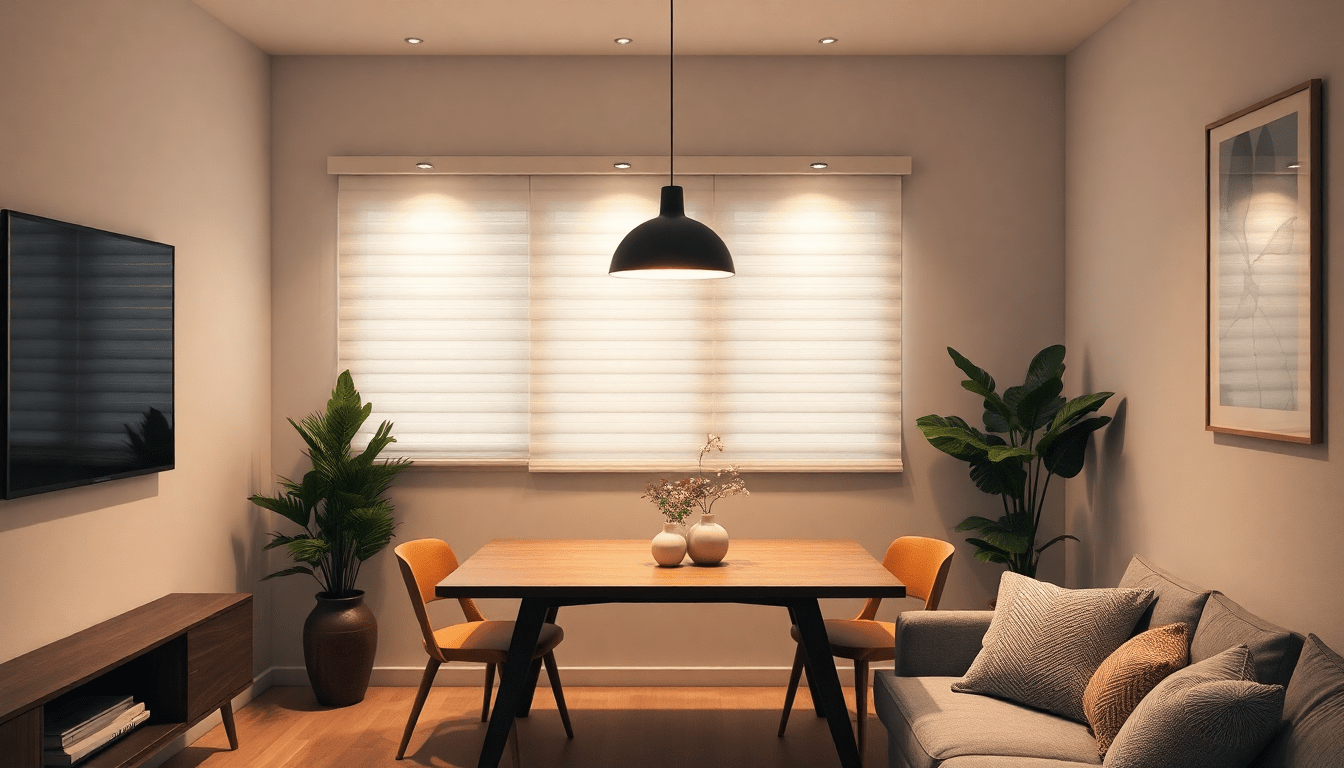
Introduction
As urban living trends continue to favor smaller, more efficient homes, smart lighting innovations are stepping into the spotlight. In 2025, these cutting-edge solutions are not just about illumination—they're transforming how we decorate, feel, and function within our limited spaces. By seamlessly integrating aesthetics with advanced technology, smart lighting is redefining small home living for a modern, stylish, and highly personalized experience.
The Evolution of Smart Lighting in Small Homes
Over the past decade, smart lighting has evolved from simple app-controlled bulbs to comprehensive systems capable of mimicking natural light patterns, adjusting to mood and activity, and integrating effortlessly with other smart home devices. The focus now is on enhancing both form and function, especially in constrained spaces where every design element counts.
Major Trends Shaping Smart Lighting in 2025
- Integrated Voice and App Controls: Voice assistants like Alexa, Google Home, and Siri are now seamlessly integrated with smart lighting systems, allowing residents to control lighting via voice commands or smartphone apps, providing maximum convenience in compact spaces.
- Personalized Lighting Scenes: Users can create tailored lighting scenes for different activities, such as work, relaxation, or entertainment, customize color schemes, and save these settings for quick access.
- Dynamic and Adaptive Lighting: Systems that automatically adjust based on circadian rhythms or ambient light levels help improve well-being and comfort.
- Color Personalization and Mood Setting: The ability to change colors on the fly creates mood-enhancing environments, aiding in stress reduction or energizing a space.
- Energy-Saving Technologies: Incorporation of smart LEDs and motion sensors minimizes energy wastage, reducing utility costs and promoting sustainability.
- Minimalism and Sleek Design: Smart fixtures are now designed to blend seamlessly with modern decor, reducing visual clutter in small rooms.
Transforming Small Home Aesthetics with Smart Lighting
Effective lighting dramatically impacts the perceived size, style, and ambiance of a space. Here’s how smart lighting is revolutionizing aesthetics:
- Illusion of Space: Strategically placed layered lighting, such as wall washers, under-cabinet strips, and adjustable ceiling fixtures, creates the illusion of a larger, more open environment.
- Highlighting Architectural Features: Accent lighting emphasizes design elements like textured walls, decorative moldings, or artwork, adding depth and visual interest.
- Adding Vibrancy and Personalization: With color-changing capabilities, small rooms can instantly adapt to different moods, seasons, or occasions, making the space feel dynamic and lively.
- Creating Focal Points: Smart task and accent lights draw attention to particular decor pieces or zones within the room, balancing functionality with visual appeal.
Practical Benefits for Small Homes
Beyond aesthetics, smart lighting offers undeniable functional advantages:
- Energy Efficiency: Automated dimming, scheduling, and motion detection optimize energy use, helping reduce electricity bills.
- Enhanced Security: Smart lighting can simulate occupancy when away, deterring burglars and providing peace of mind.
- Improved Well-being: Circadian lighting systems support natural sleep-wake cycles, fostering health and productivity.
- Ease of Maintenance: IoT-enabled lights notify homeowners of potential issues or bulb replacements, simplifying upkeep.
- Flexible Spatial Planning: Adjust lighting layouts virtually to test different configurations before physical installation, ideal for small or rental spaces.
Decorating Tips Incorporating Smart Lighting
- Layered Lighting Approach: Use a combination of ceiling, wall, and task lighting to add depth while maintaining flexibility.
- Utilize Dimmable Fixtures: Creating varied atmospheres—from bright for chores to dim for relaxation—enhances functionality.
- Integrate with Existing Decor: Choose fixtures with sleek, minimalist designs that complement modern furniture and decor styles.
- Experiment with Color and Temperature: Match your lighting with seasonal decor or personal preferences to create a welcoming environment.
- Leverage Smart Sensors: Incorporate motion sensors in hallways, bathrooms, or kitchens for hands-free operation and added convenience.
Real-Life Applications and Case Studies
From tiny urban apartments to compact family homes, smart lighting innovations have proven versatile:
- Urban Studio Apartments: Layered lighting with smart fixtures creates the illusion of space, while customizable scenes adapt to daily routines.
- Small Living Rooms: Accent lighting highlights local artwork, and adjustable brightness sets the mood for entertainment or relaxation.
- Studio Bedrooms: Circadian lighting supports restful sleep, and integrated voice control simplifies nightly routines.
Future Outlook and Innovations
The future of smart lighting in small homes is promising. Innovations such as phantom lighting (disappearing fixtures), AI-powered scene recognition, and fully automated environment adjustments are on the horizon. Integration with other smart home tech—like climate control and security systems—will further elevate convenience, efficiency, and aesthetic appeal in small living spaces.
Conclusion
In 2025, smart lighting is no longer just about illumination—it's a vital design element that enhances the aesthetics and functionality of small homes. By embracing these innovations, homeowners can transform their limited spaces into versatile, stylish, and energy-efficient environments that truly feel personalized and modern.
Visit XENTAR for more lighting, decor & furniture curated for modern homes and creative spaces.
Share:
Innovative Smart Lighting Strategies to Optimize Natural Light and Enhance Small Home Aesthetics in 2025
Harnessing Smart Ambient Lighting to Elevate Small Space Decor and Create Dynamic Living Environments in 2025