

Introduction
As we move further into 2026, the intersection of smart lighting technology and sustainable interior design has transformed how homeowners and designers approach eco-friendly living spaces. The latest advancements enable us to create environments that are not only visually stunning but also environmentally responsible. In this comprehensive guide, we explore how harnessing smart lighting can lead to sustainable interior transformations, offering practical tips, innovative ideas, and future trends that make a real difference.
The Significance of Smart Lighting in Modern Sustainable Design
Smart lighting represents a major shift in interior design, emphasizing energy efficiency, environmental impact reduction, and customization. As energy costs rise and environmental awareness deepens, integrating smart lighting into interior spaces is now essential for those who want to be both stylish and eco-conscious.
Environmental Impact and Energy Savings
Smart lighting systems significantly cut down electricity usage through intelligent scheduling, adaptive brightness, and motion sensors, leading to lower carbon emissions. This not only reduces your home's ecological footprint but also results in substantial cost savings over time.
Enhanced User Experience and Flexibility
Customizable lighting scenes, voice controls, and automation allow for a tailored ambiance that adapts seamlessly to routines and moods. This flexibility promotes well-being and enhances the aesthetic appeal — all while conserving energy.
Advancements in Smart Lighting Technology for 2026
The rapid evolution of smart lighting has introduced features that elevate both sustainability and user experience:
Voice-Activated and AI-Driven Controls
- Seamless integration with virtual assistants like Alexa, Google Assistant, and Siri.
- AI algorithms that learn user preferences and adjust lighting automatically for optimal comfort and efficiency.
Dynamic Color and Brightness Tuning
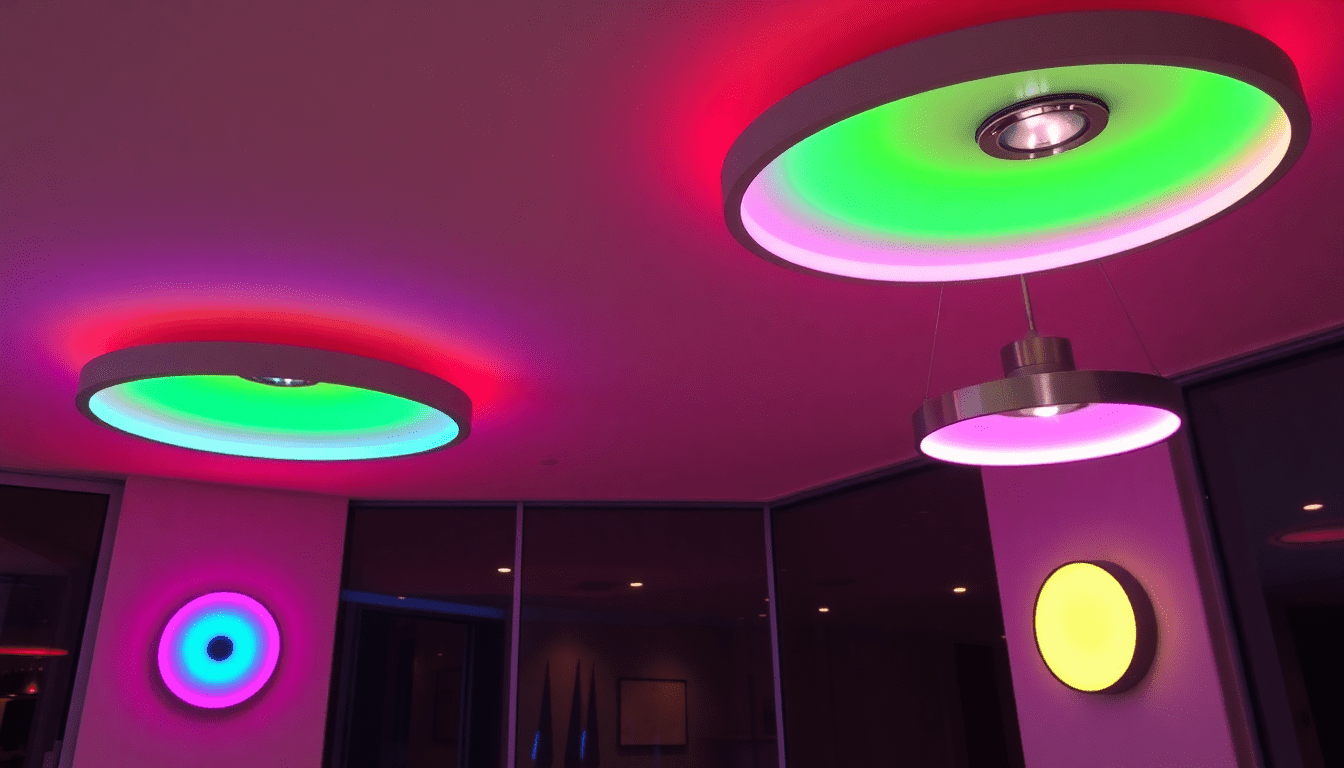
- Color-changing LEDs that adapt to seasons, events, or personal preferences.
- Temperature settings that mimic natural daylight, boosting circadian rhythms and well-being.
Energy Monitoring and Data Analytics
- Apps that provide real-time insights into energy consumption, allowing users to optimize settings for maximum sustainability.
- Data-driven suggestions for reducing waste and improving efficiency.
Remote Management and Smart Scheduling
- Control lighting remotely via smartphone or tablet, ensuring lights are off when not needed.
- Automated schedules aligned with daily routines, weather patterns, and occupancy patterns.
Creative Strategies for Sustainable Interior Transformation
Integrating smart lighting into interior design allows for inventive and sustainable decor choices:
Layered Ambient Lighting
- Create depth by combining task, accent, and ambient layers using energy-efficient smart lights.
- Use dimming features to adjust ambiance for different activities, reducing unnecessary brightness.
Highlighting Architectural and Artistic Features
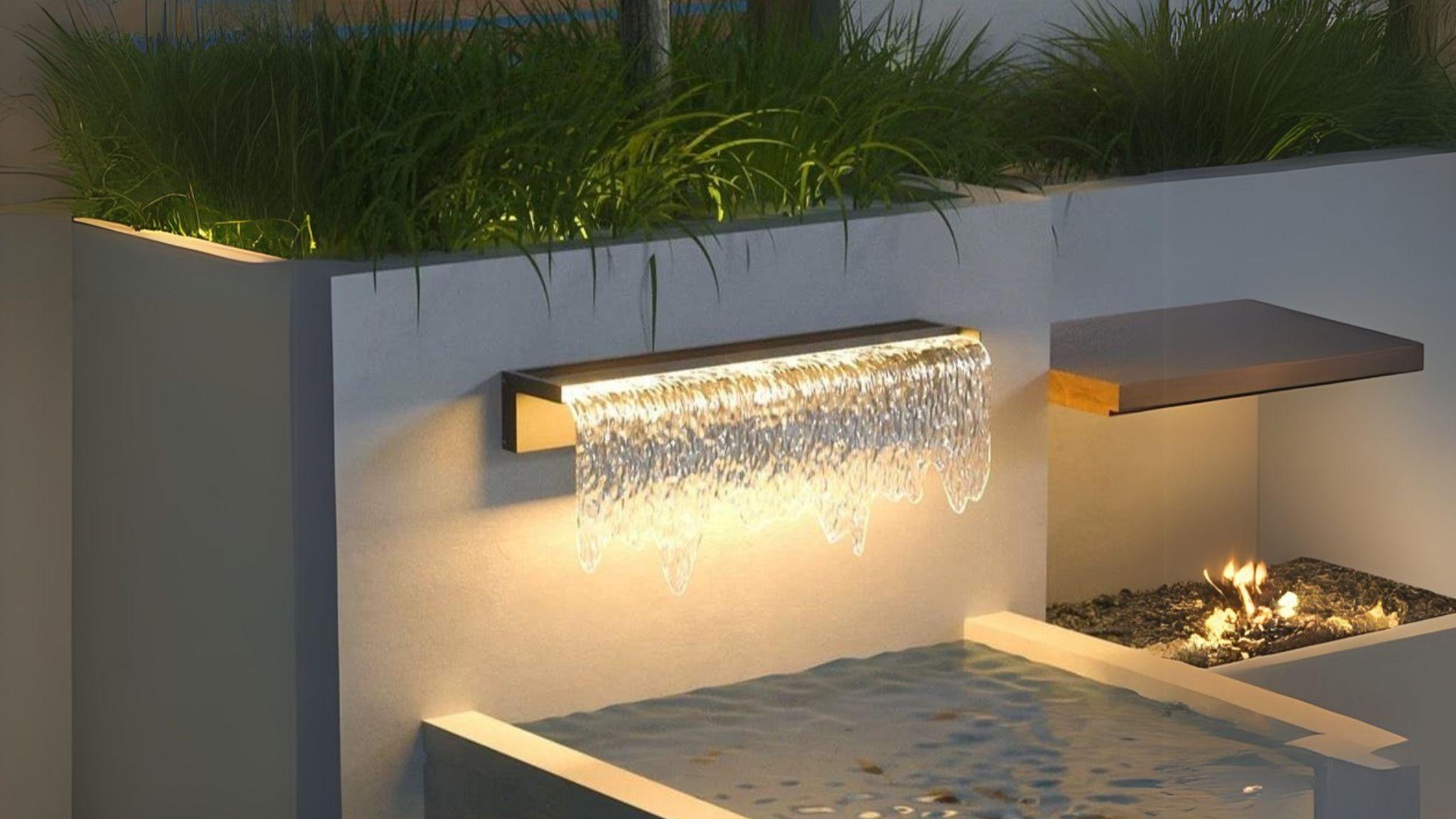
- Use focused smart spotlights to emphasize textured walls or artworks with minimal energy use.
- Dynamic lighting to showcase seasonal decor or change aesthetics effortlessly.
Seasonal and Event-Based Lighting
- Set programmable lighting schemes for festivities or seasonal themes that can be easily customized and energy optimized.
- Use color-tuning to reflect holidays or personal milestones with eco-conscious LED fixtures.
Sustainable Material Choices
- Pair smart LED fixtures with eco-friendly materials such as recycled, biodegradable, or sustainably sourced components.
- Opt for fixtures designed for longevity and easy updates to reduce waste.
Integrating Smart Lighting into Broader Sustainable Home Ecosystems
Smart lighting works best when integrated with other eco-friendly systems, creating a cohesive sustainable home environment.
Solar Power and Energy Storage
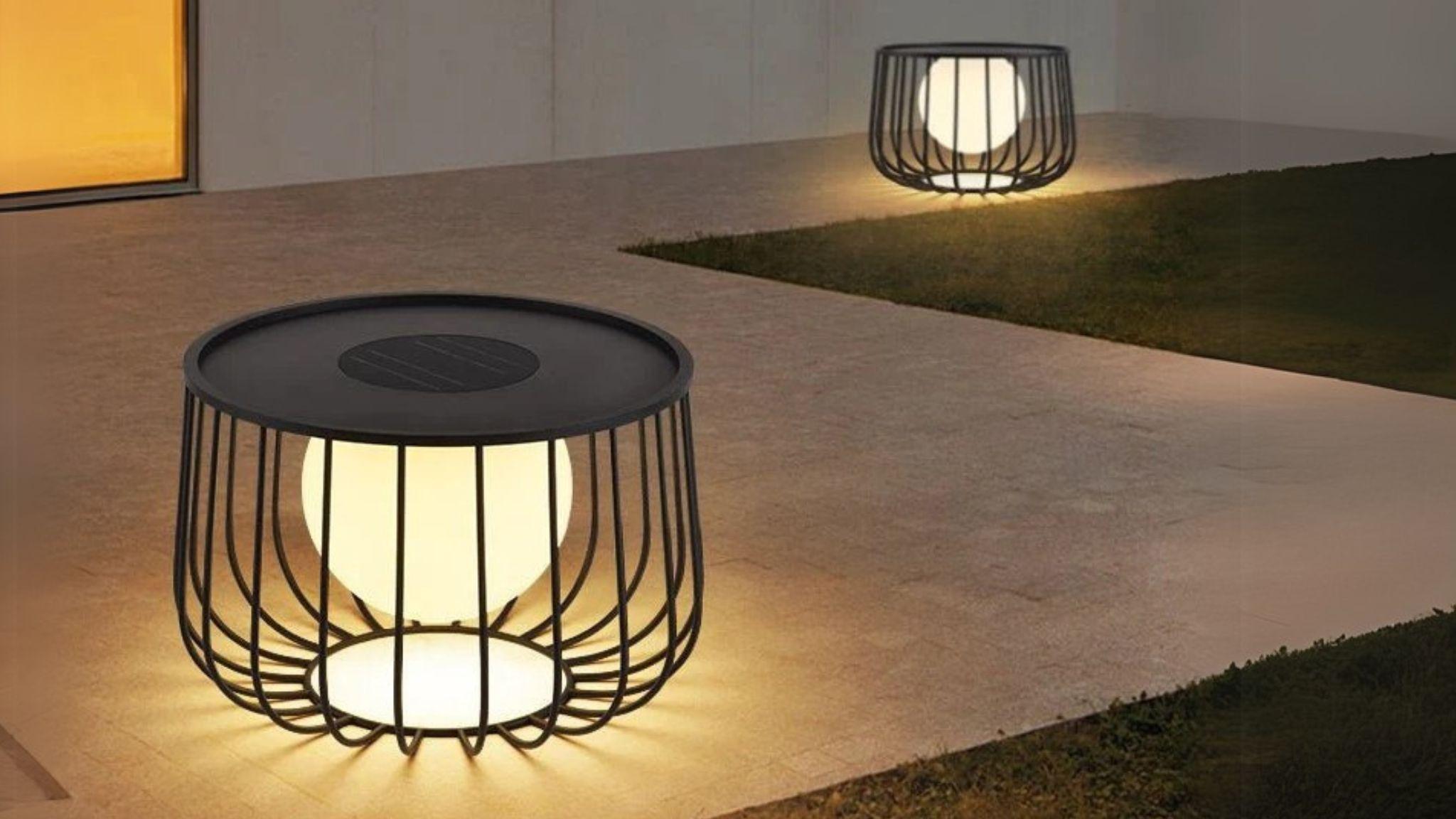
- Combine smart lighting with solar panels and battery storage to maximize renewable energy use.
- Utilize daylight harvesting techniques to minimize artificial lighting during daylight hours.
Smart Thermostats and Climate Controls
- Align lighting schedules with heating and cooling systems for optimal energy conservation.
- Create a comfortable, energy-efficient climate that responds to occupancy patterns and outdoor conditions.
Smart Window Technologies
- Automated window shades that work with smart lighting to optimize natural light and reduce reliance on artificial sources.
- Materials that enhance insulation and minimize energy loss.
Future Trends and Innovations in Sustainable Smart Lighting
The cutting edge of smart lighting technology promises exciting developments that further enhance sustainability and aesthetics:
- Artificial Intelligence & Machine Learning: Systems that continuously optimize lighting based on user behavior, weather conditions, and energy prices.
- Biophilic Lighting Design: Mimicking natural light patterns and daylight cycles to enhance health and wellness.
- Modular and Scalable Solutions: Flexible lighting frameworks that evolve with your home and lifestyle, reducing waste and cost.
- Eco-Friendly Manufacturing and Materials: Focus on sustainable sourcing, biodegradable fixtures, and low-impact production processes.
Conclusion
Harnessing smart lighting technology in 2026 offers a compelling way to transform your interior spaces into sustainable, stylish, and energy-efficient environments. By combining innovative features with eco-conscious design principles, homeowners and designers can achieve interiors that are not only beautiful but also responsible and future-proof.
Implementing smart lighting is a proactive step toward reducing environmental impact while enhancing home comfort and aesthetic appeal. As technology advances, these solutions will become more accessible, customizable, and integral to sustainable living.
Visit XENTAR for more lighting, decor & furniture curated for modern homes and creative spaces.
Share:
How to Incorporate Eco-Conscious Smart Lighting to Elevate Modern Interior Designs in 2026
Revolutionize Your Modern Interior with Sustainable Smart Lighting Ideas for 2026