

Introduction
In the ever-evolving world of interior design, smart lighting stands out as a pivotal element that can dramatically transform a space. With technological advancements, homeowners and designers now have access to sophisticated tools that enable the creation of dynamic, energy-efficient ambiances tailored to individual preferences. This comprehensive guide delves into how advanced smart lighting techniques can be harnessed to elevate modern interiors, blending aesthetics with sustainability for a truly transformative home experience.
The Evolution of Smart Lighting in Interior Design
Over the past decade, smart lighting technology has shifted from basic on/off fixtures to complex systems capable of providing nuanced control over color, brightness, and timing. Innovations such as wireless connectivity, voice integration, and AI-driven automation have revolutionized how we illuminate our living spaces. Today, smart lighting is no longer a luxury but an essential component of contemporary interior design, offering flexibility, energy savings, and personalized experiences that traditional lighting systems cannot match.
Understanding Advanced Smart Lighting Technologies
Wireless Connectivity
Modern smart lighting systems utilize wireless protocols like Zigbee, Z-Wave, and Wi-Fi to enable seamless communication between fixtures and control devices. This connectivity simplifies installation, allows remote management via smartphones or tablets, and facilitates integration with other smart home systems.
Adaptive Brightness and Color Tuning
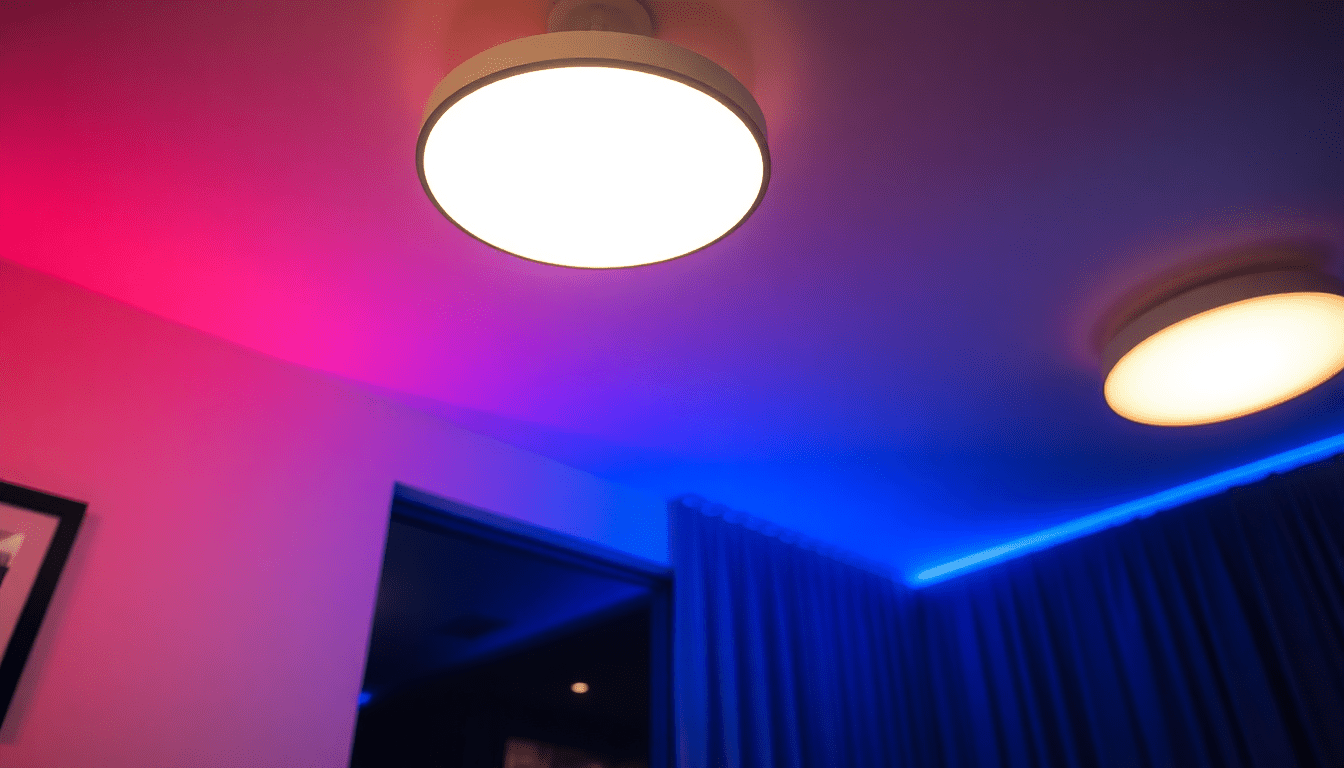
Advanced LED fixtures equipped with RGB+W capabilities permit dynamic adjustments in color temperature and hue. This adaptability allows for creating various moods—warm and cozy for evenings, cool and energizing for mornings, or vibrant for entertaining.
Voice and App Control
Voice assistants such as Amazon Alexa, Google Assistant, and Apple Siri have become commonplace in smart homes. Coupled with dedicated apps, they enable effortless control over lighting scenes, schedules, and device grouping, making lighting management intuitive and accessible.
Automation and Scheduling
Automation empowers homeowners to pre-program lighting scenes that adjust automatically based on time of day, occupancy, or environmental sensors. Scheduling features can simulate occupancy when away, enhancing security while conserving energy.
Strategies for Creating Dynamic and Personalized Ambiances
Color Theory and Lighting
- Color-Changing LED Fixtures: Use RGB+W bulbs to switch between warm, neutral, and cool tones, or create bespoke color palettes for any occasion.
- Emotional Impact of Colors: Warm hues evoke comfort, while cooler shades enhance focus; smart lighting allows fluid transitions to match your desired mood.
Layered Lighting Design
Combining multiple layers—ambient, task, and accent lighting—produces a rich, balanced environment:
- Ambient Lighting: Sets the overall tone, usually achieved with ceiling-mounted fixtures or recessed lights.
- Task Lighting: Focused fixtures like reading lamps or under-cabinet lights facilitate specific activities.
- Accent Lighting: Highlights architectural features, artwork, or decorative pieces for added depth.
Creating Scene Presets for Versatile Use
Save preferred lighting arrangements as scenes—e.g., "Relax," "Work," "Party"—and activate them effortlessly via app or voice command to instantly transform your space.
Dynamic and Interactive Lighting Elements
- Color-Fading Effects: Smooth transitions between shades to emulate natural light cycles or artistic moods.
- Music Synchronization: Integrate lighting with sound for immersive entertainment experiences.
- Reactive Lighting: Use sensors to adjust lighting based on movement or ambient noise levels.
Energy Efficiency and Sustainable Living
Smart lighting significantly reduces carbon footprint and utility bills through various energy-conscious features:
- Motion and Presence Sensors: Detect movement to turn lights on/off automatically, avoiding unnecessary energy use.
- Adaptive Dimming: Adjust brightness levels based on natural light availability or activity requirements.
- Use of Low-Power LEDs: Choose energy-efficient, long-lasting LED fixtures for sustainability and cost savings.
- Scheduled Off-Times: Program lights to turn off during specific hours or when rooms are unoccupied.
Harmonizing Smart Lighting with Interior Design Styles
Integrating smart lighting seamlessly into various interior styles enhances both functionality and aesthetics:
- Minimalist Spaces: Opt for sleek, unobtrusive fixtures with simple controls that blend into the decor.
- Industrial Themes: Use exposed filament bulbs with smart control for an edgy, modern look.
- Contemporary and Luxurious Interiors: Incorporate fixtures with elegant finishes and customizable lighting scenes that evoke sophistication.
- Eclectic and Artistic Spaces: Experiment with vibrant colors and unique fixture shapes that reflect personal style.
Design Tips for Optimal Smart Lighting Installation
- Strategic Placement: Install fixtures to highlight focal points, ensuring even light distribution and avoiding dark corners.
- Layer Control Zones: Divide spaces into zones for more precise control of lighting scenes tailored to specific areas or activities.
- Integration with Decor Elements: Choose fixtures that complement your furniture, color palette, and architectural features.
- Future-Proofing: Select scalable systems that can incorporate upcoming technologies and additional smart devices.
Future Trends in Smart Interior Lighting
Looking forward, the smart lighting landscape is poised to integrate cutting-edge innovations:
- Circadian Design: Lighting systems that adapt automatically to support natural biological rhythms for health benefits.
- AI-Powered Personalization: Learning preferences to automatically adjust lighting scenes for comfort and mood enhancement.
- Augmented Reality (AR) Planning Tools: Visualizing lighting setups in your space before installation for precise planning.
- Energy Monitoring and Optimization: Real-time analytics for tracking energy use and maximizing efficiency.
Conclusion
In the realm of modern interior design, advanced smart lighting techniques are transforming homes into adaptable, energy-efficient sanctuaries. Through strategic selection, layering, and automation, you can craft ambient environments that reflect your personality while supporting sustainable living. As technological innovations continue to emerge, the possibilities for creating personalized, immersive spaces are endless.
Visit XENTAR for more lighting, decor & furniture curated for modern homes and creative spaces.
Share:
Innovative LED Cove Lighting Techniques to Enhance Modern Home Ambience and Elevate Interior Aesthetic in 2025
Transform Small Living Spaces with Innovative Smart Lighting and Multifunctional Furniture Designs in 2025