

Introduction: The Rise of Biophilic Lighting in 2026
In 2026, interior design continues to push the boundaries of innovation, sustainability, and wellness. One of the most compelling trends shaping modern homes and commercial spaces is biophilic lighting — a transformative approach that reconnects indoor environments with the natural world through carefully designed lighting solutions. As people increasingly seek spaces that promote health, productivity, and aesthetic harmony, biophilic lighting emerges as a key element in creating environments that are both beautiful and functional.
Understanding Biophilic Lighting: Merging Nature and Technology
Biophilic lighting is a design philosophy that integrates natural elements into artificial lighting systems. Unlike traditional lighting, which often emphasizes uniform brightness or static fixtures, biophilic lighting mimics the dynamic qualities of daylight, capturing variations in color, intensity, and direction. It leverages advanced technology such as tunable LEDs, circadian rhythm-supporting controls, and organic-inspired fixtures to craft immersive, nature-infused environments.
The Significance of Biophilic Design in 2026
Research indicates that exposure to natural light improves mood, enhances cognitive function, and supports physical health. With many people spending significant time indoors, especially in work and living spaces, there's an increasing demand for lighting that promotes well-being. In 2026, biophilic lighting isn't just a luxury; it's a necessity for fostering healthier, more engaging spaces.
Major Benefits of Incorporating Biophilic Lighting
- Enhances Mental Well-being and Mood: Mimicking natural light cycles stabilizes circadian rhythms, reducing stress and contributing to emotional balance.
- Boosts Productivity and Concentration: Properly calibrated natural-inspired lighting creates an energizing environment ideal for work and creative endeavors.
- Supports Circadian Health: Smart lighting systems adjust to circadian needs, promoting restorative sleep and overall health.
- Create Visually Appealing Spaces: Organic and fluid lighting fixtures add depth, texture, and warmth, elevating interior aesthetics.
- Promotes Sustainability: Energy-efficient, tunable LEDs reduce energy consumption and carbon footprint, aligning with eco-conscious values.
Design Elements and Innovations in 2026
As biophilic lighting continues to evolve, several innovative design elements are emerging that redefine modern interior environments:
- Tunable and Dynamic Lighting Systems: Capable of adjusting color temperatures and intensities throughout the day, these systems emulate natural sunlight, supporting innate biological rhythms.
- Circadian Lighting Integration: Automated controls that change lighting conditions based on time of day or user preference, fostering healthier sleep-wake cycles.
- Organic Fixture Shapes and Materials: Fixtures inspired by natural elements—such as branches, leaves, or stones—blended with sustainable materials like bamboo, cork, and recycled metals.
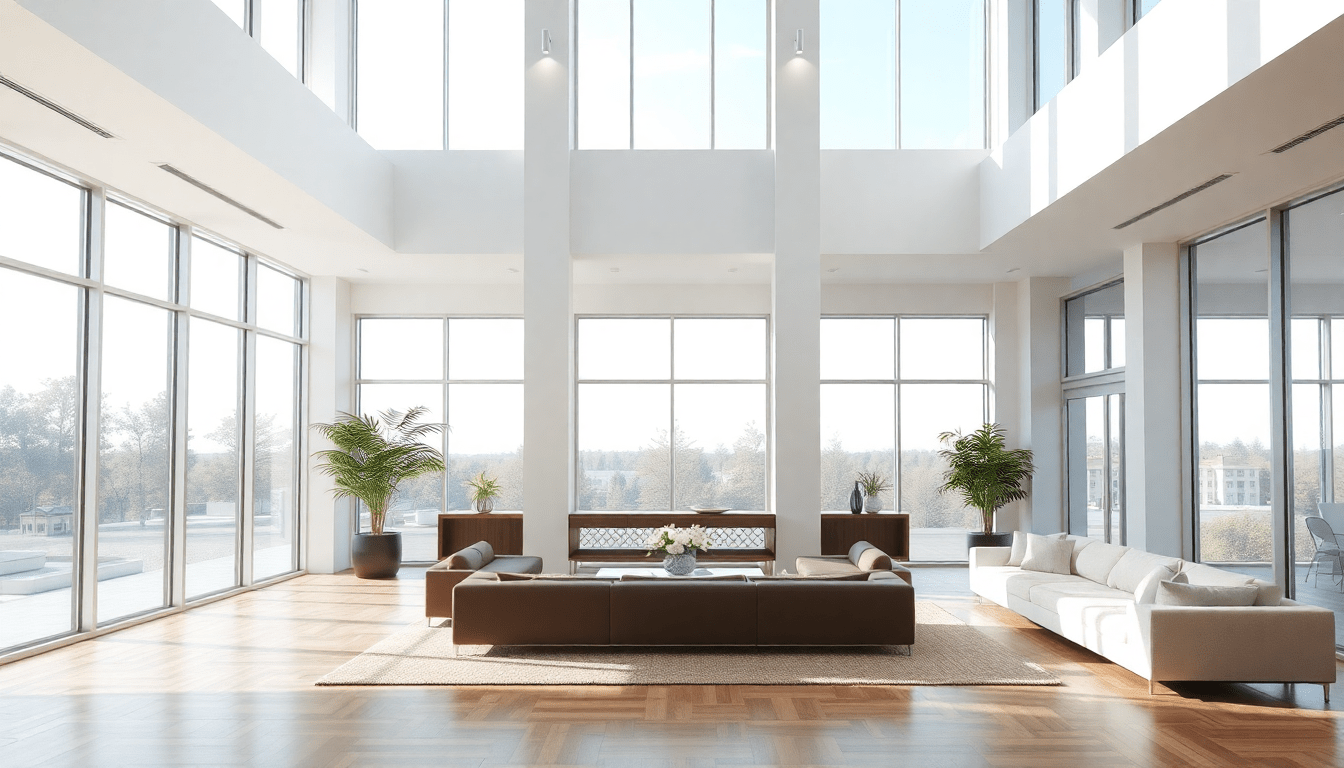
- Indoor-Outdoor Visual Connectivity: Use of large windows, glass walls, and outdoor-inspired lighting zones that create seamless transitions between indoor and outdoor environments.
- Biophilic Wall and Ceiling Features with Lighting: Integration of living walls and natural textures enhanced by layered lighting, amplifying the organic ambiance.
Implementing Biophilic Lighting in Your Space
Transform your modern space into a sanctuary of natural light with these practical steps:
- Maximize Natural Light Entrance: Install large windows, skylights, and reflective surfaces to flood interiors with daylight.
- Adopt Smart Lighting Controls: Use AI-enabled systems and timers that adapt lighting levels and hues based on external conditions and user preferences.
- Select Organic and Natural Material Fixtures: Choose lighting fixtures crafted from sustainable materials with flowing or naturalistic forms to reinforce biophilic principles.
- Integrate Greenery and Lighting: Combine indoor plants with targeted lighting to create vibrant indoor ecosystems that support health and aesthetic appeal.
- Create Zones for Different Activities: Use layered lighting to suit various functions — bright for working, softer for relaxation, and dynamic for social spaces.
The Future of Biophilic Lighting in Interior Design
The future landscape of interior lighting in 2026 will see increasingly personalized and perceptive systems. Innovations such as virtual reality-enhanced lighting scenarios, AI-driven design customization, and the integration of biophilic lighting with smart home ecosystems will make it easier for homeowners and designers to craft immersive natural experiences. Furthermore, developments in sustainable materials and energy efficiency will ensure that biophilic lighting remains an environmentally responsible choice.
Case Studies and Inspiration
Leading interior designers and architects have already started integrating biophilic lighting into a variety of spaces:
- Modern Offices: Using circadian-tuned lighting to enhance employee well-being and productivity.
- Luxury Residences: Organic fixtures combined with indoor greenery to create calming, nature-inspired environments.
- Hospitality Spaces: Resort-like interiors with layered, dynamic lighting that mimics outdoor light patterns.
- Public Spaces: Urban parks and cultural centers incorporating biophilic lighting to foster community connection.
Practical Tips for Incorporating Biophilic Lighting
- Start with Natural Elements: Analyze your space for opportunities to add large windows, skylights, or indoor greenery.
- Invest in Quality Smart Lighting: Choose tunable, energy-efficient LED systems with programmable controls.
- Focus on Organic Design: Select fixtures with natural shapes and sustainable materials that blend seamlessly into your space.
- Layer Your Lighting: Combine ambient, task, and accent lighting to create depth and mimic natural light variations.
- Collaborate with Professionals: Work with interior designers or lighting specialists familiar with biophilic principles for optimal results.
Conclusion: Embracing a Natural Future
As we advance further into 2026, the importance of harmonious indoor environments rooted in nature continues to grow. Biophilic lighting offers a powerful way to improve physical and mental health, enhance aesthetic appeal, and promote sustainability. By thoughtfully integrating natural-inspired lighting solutions, homeowners, designers, and architects can create more vibrant, healthy, and sustainable spaces that resonate with the natural world.
Visit XENTAR for more lighting, decor & furniture curated for modern homes and creative spaces.
Share:
Revolutionize Your Modern Interior with Sustainable Smart Lighting Ideas for 2026
Innovative Ambient Lighting Techniques to Elevate Modern Home Aesthetics in 2026