

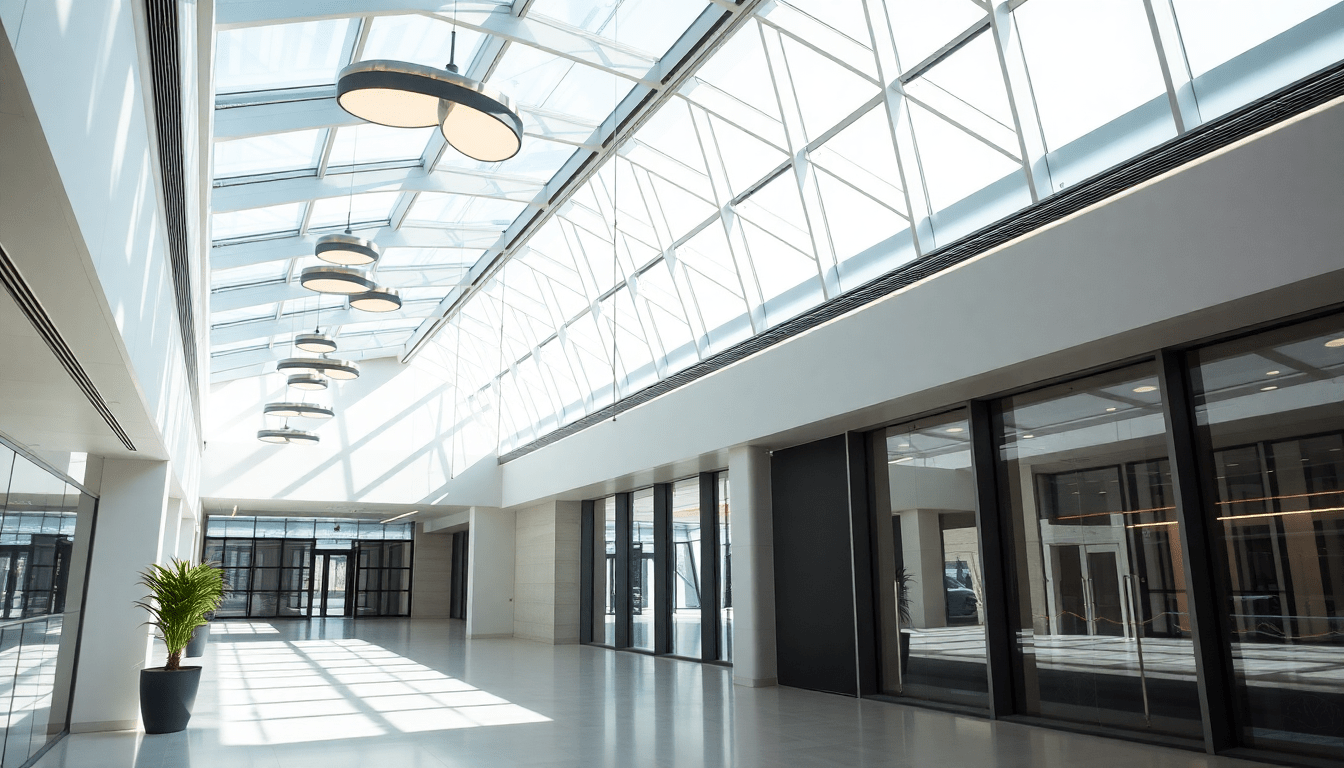
Introduction: Transform Your Home with Eco-Friendly Smart Lighting in 2026
As the home decor landscape evolves in 2026, the integration of sustainable and intelligent lighting solutions is at the forefront of modern interior design. These innovations are not only transforming aesthetic appeal but also promoting energy efficiency and environmental responsibility. Whether you're remodeling your space or refining your existing decor, embracing smart lighting technologies that prioritize sustainability can elevate your home to the next level of sophistication and eco-conscious living.
The Evolution of Smart Lighting: From Functionality to Sustainable Design
Traditionally, home lighting focused primarily on illumination and ambiance. Today, advances in technology and growing environmental concerns have shifted this paradigm. The modern home now demands smart lighting that combines convenience, customization, and sustainability. This evolution reflects a broader trend towards green living, where reducing carbon footprints and caring for the planet are integral to design choices.
The Benefits of Sustainable Smart Lighting in Modern Homes
Incorporating smart lighting innovations into your interior decor offers numerous advantages:
- Energy Efficiency: Use of LEDs, motion sensors, and adaptive controls significantly lowers energy consumption.
- Cost Savings: Reduced energy use translates into lower utility bills, contributing to long-term financial benefits.
- Enhanced Aesthetics: Dynamic color-changing features and scene-setting capabilities allow for personalized spaces.
- Convenience and Control: Wireless, app-based management ensures effortless customization and scheduling.
- Environmental Impact: Eco-friendly materials and renewable energy sources support sustainability goals.
- Well-being and Productivity: Tunable lighting enhances mood, comfort, and focus, with circadian rhythm support improving health.
Cutting-Edge Smart Lighting Technologies in 2026
The landscape of smart lighting is rapidly expanding. Here are key technological advancements shaping modern interior design:
LED Technology Advances
- Improved color rendering indices (CRI) that mimic natural sunlight more accurately.
- Highly energy-efficient LEDs with longer lifespans and lower heat generation.
- Recyclable and biodegradable LED components to reduce environmental impact.
Wireless and Networked Fixtures
- Wi-Fi, Zigbee, and Bluetooth-enabled fixtures for seamless integration into smart home systems.
- Remote control and automation via smartphone apps, voice assistants, and smart hubs.
Adaptive and Intelligent Lighting
- Motion sensors and occupancy detectors eliminate wasteful lighting in unoccupied areas.
- Ambient light sensors automatically adjust brightness based on natural daylight levels.
- AI-powered systems that learn preferences and automatically optimize lighting scenes.
Eco-Friendly Materials and Designs
- Use of biodegradable plastics, recycled metals, and natural finishes.
- Fixtures designed for modularity, recyclability, and low-impact manufacturing processes.
Design Strategies for Incorporating Smart and Sustainable Lighting
To maximize the benefits of this technology, consider these practical tips:
- Diversify Light Layers: Combine ambient, task, and accent lighting to create a versatile and inviting space.
- Highlight Key Architectural Features: Use accent lights to emphasize art, textured walls, or architectural details.
- Implement Scene Control: Program different lighting scenes for activities like reading, entertaining, or relaxing.
- Choose Eco-Conscious Fixtures: Prioritize brands committed to sustainability and innovative eco-friendly materials.
- Integrate Natural Light: Use automated window treatments that work with smart lighting for optimal daylight use.
Emerging Trends and Future Outlook in Sustainable Smart Lighting
- AI and Machine Learning Integration: Future systems will personalize lighting based on habits, weather, and circadian needs.
- Renewable Energy Integration: Solar-powered fixtures and panels combined with smart controls for off-grid applications.
- Biophilic and Human-Centric Lighting: Mimicking natural rhythms and integrating plant-inspired designs to promote health and well-being.
- Smart Material Innovations: Developments in materials that change color or texture based on environmental stimuli to add new decor dimensions.
Case Studies: Transformative Interior Makeovers with Sustainable Smart Lighting
Many modern homeowners and designers are now pioneering innovation:
- Minimalist Living Spaces: Using hidden, adjustable LED strips to create a sleek, clutter-free look while providing customizable lighting scenes.
- Eco-Friendly Kitchen Renovations: Incorporating solar-powered, voice-controlled under-cabinet lighting with recyclable fixtures.
- Luxury Hotel Suites: Integrated circadian lighting systems that adjust to guest preferences and time zones for ultimate comfort.
- Office and Co-Working Spaces: Task lighting sensors with sustainable materials that boost productivity and reduce environmental impact.
Conclusion: Step Into a Greener, Brighter Future
The integration of sustainable smart lighting in modern interior decor not only enhances the visual appeal and functionality of your spaces but also actively contributes to environmental conservation. By choosing innovative, eco-friendly lighting solutions in 2026, you can create interiors that are stylish, intelligent, and responsible. This movement toward greener, smarter homes is an investment in your comfort and the planet’s health.
Visit XENTAR for more lighting, decor & furniture curated for modern homes and creative spaces.
Share:
Sustainable Smart Lighting Innovations for Eco-Friendly Modern Interiors in 2026
Innovative Eco-Friendly Lighting Designs to Transform Modern Interior Spaces in 2026