

Introduction
As we progress through 2026, the importance of eco-conscious design in interior spaces is more prominent than ever. Modern homeowners and designers are increasingly prioritizing sustainable lighting options that not only elevate aesthetic appeal but also serve the environment. This shift reflects a broader commitment to reducing carbon footprints, embracing renewable energy sources, and adopting eco-friendly materials. In this comprehensive guide, we explore the latest trends in sustainable lighting, innovative designs, and practical tips to transform your living space into an eco-friendly haven that aligns with the aesthetic and functional demands of contemporary interiors.
The Rising Significance of Eco-Conscious Lighting in 2026
Lighting is a crucial element in interior design, influencing mood, functionality, and overall ambiance. However, traditional lighting solutions often consume excessive energy and contribute to environmental degradation. The transition toward eco-conscious lighting solutions addresses these challenges by focusing on sustainability, energy efficiency, and innovative design. In 2026, eco-friendly lighting is not an afterthought but a central feature in modern interior design, reflecting a growing awareness of environmental impact and a desire to live responsibly.
Key reasons why eco-conscious lighting is vital this year include:
- Reduction of energy consumption through advanced technologies
- Support for renewable energy initiatives like solar power
- Utilization of sustainable, recycled, and upcycled materials
- Promotion of biophilic design principles connecting interiors with nature
- Alignment with global sustainability standards and certifications
Latest Eco-Friendly Lighting Trends for 2026
1. Advanced LED Solutions with Smart Controls
LED lighting remains at the forefront of sustainable innovation due to its long lifespan, low power consumption, and versatility. In 2026, smart LED fixtures integrate seamlessly with home automation systems, enabling users to control brightness, color temperature, and scheduling remotely. These systems maximize energy savings while offering customized lighting experiences that adapt to daily routines and natural lighting conditions.
2. Solar-Powered Indoor and Outdoor Fixtures
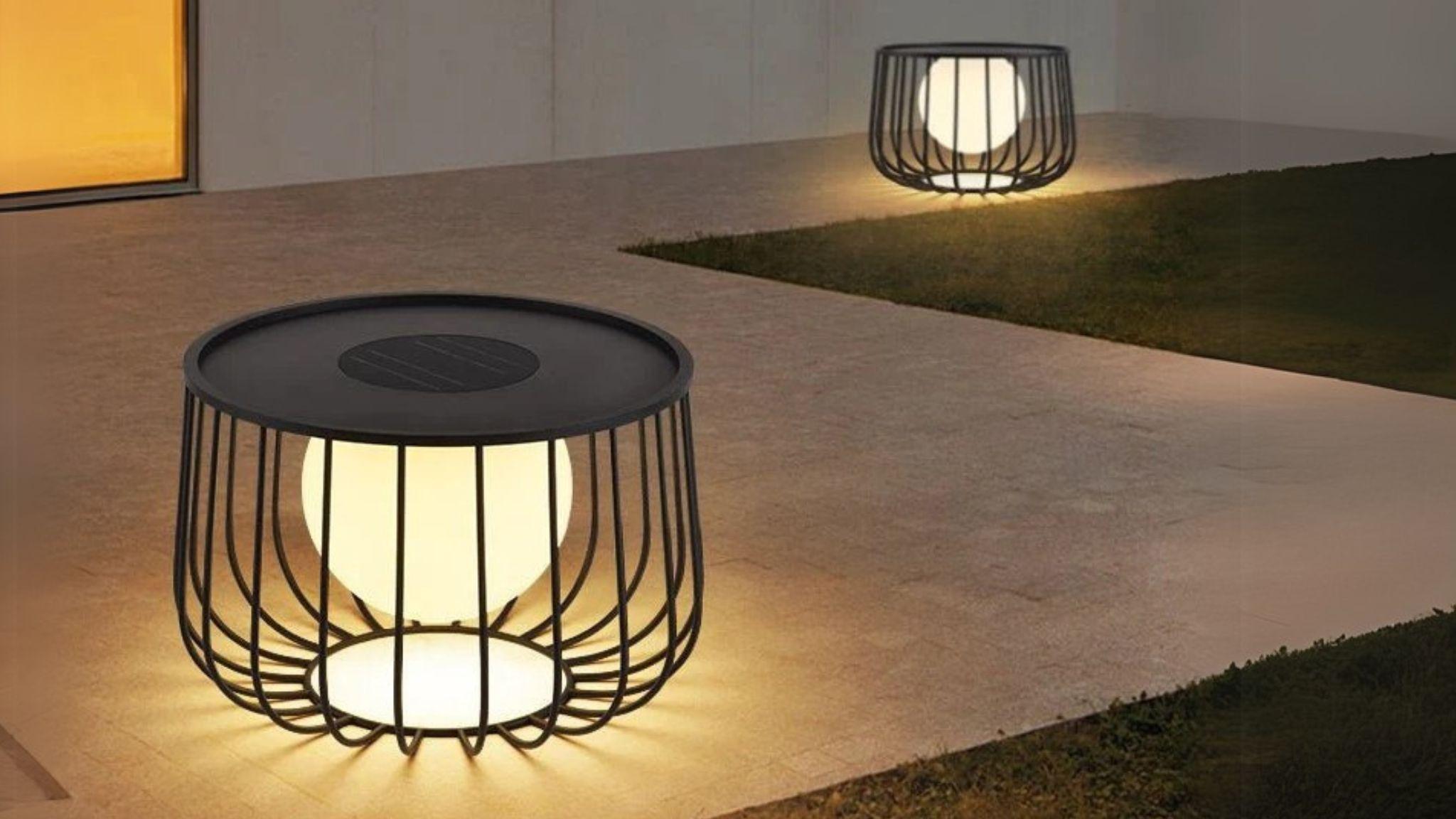
Solar technology has matured, offering stylish, efficient, and affordable options for indoor and outdoor lighting. Solar-powered pendant lights, sconces, garden lamps, and pathway lights harness free, renewable energy during the day, providing clean illumination at night without increasing electrical consumption. Innovative designs now incorporate discreet solar panels that blend seamlessly with the aesthetic while maintaining high functionality.
3. Reclaimed, Upcycled, and Vintage Light Fixtures
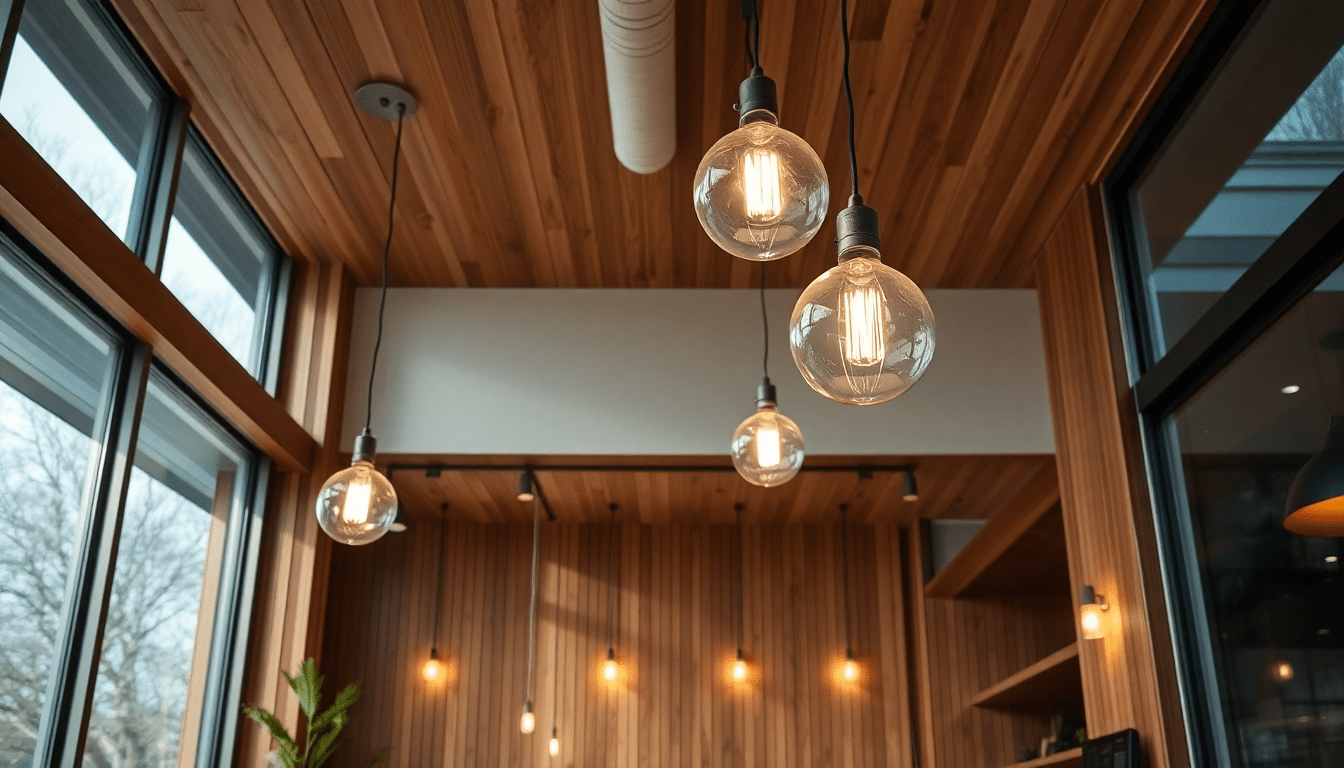
Sustainable design also emphasizes the reuse of existing materials. Designers are creating one-of-a-kind lighting fixtures from reclaimed wood, vintage metals, and recycled glass. These pieces add character and charm to interiors while reducing waste and promoting environmentally responsible craftsmanship.
4. Biophilic and Nature-Inspired Lighting Elements
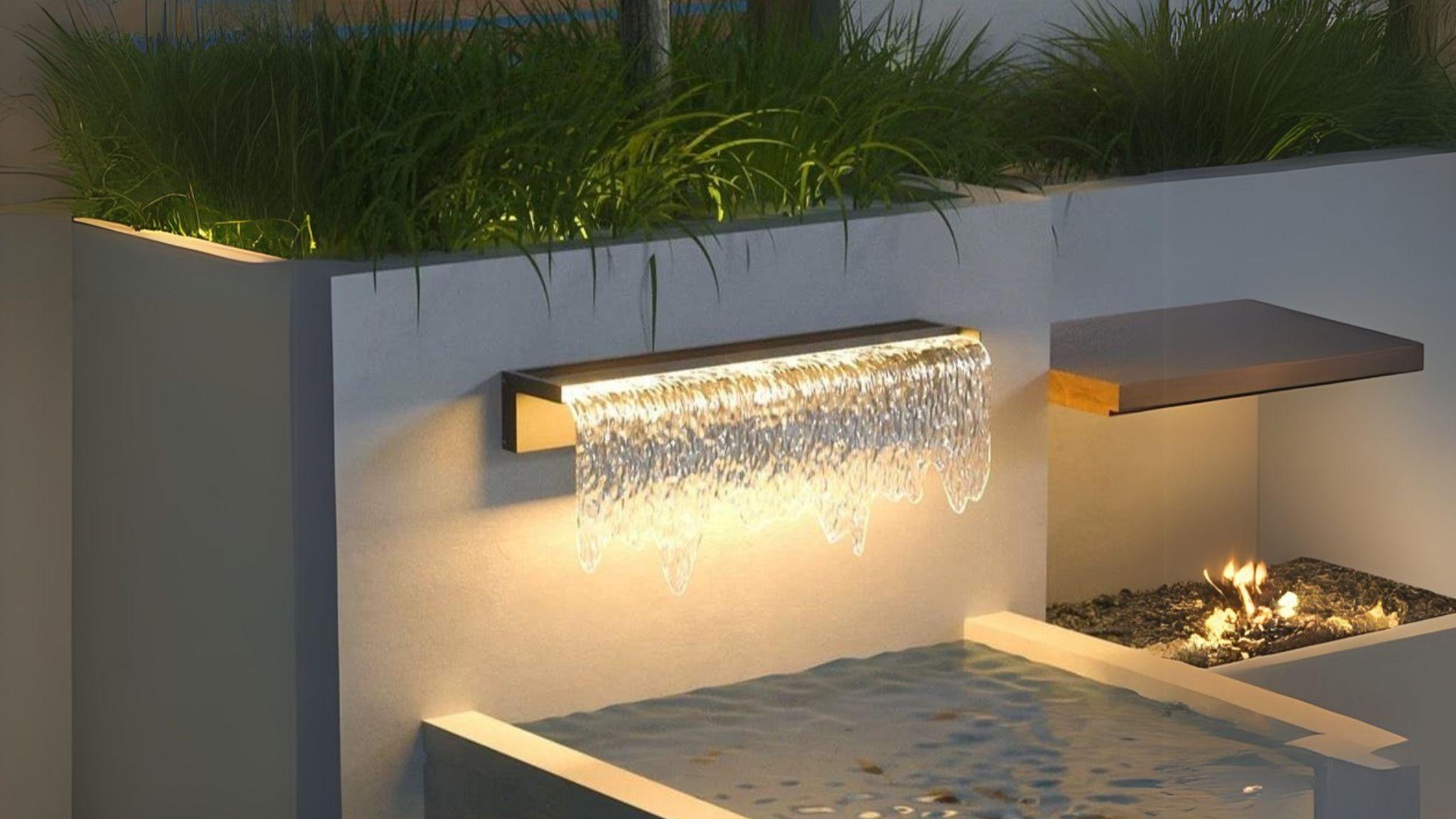
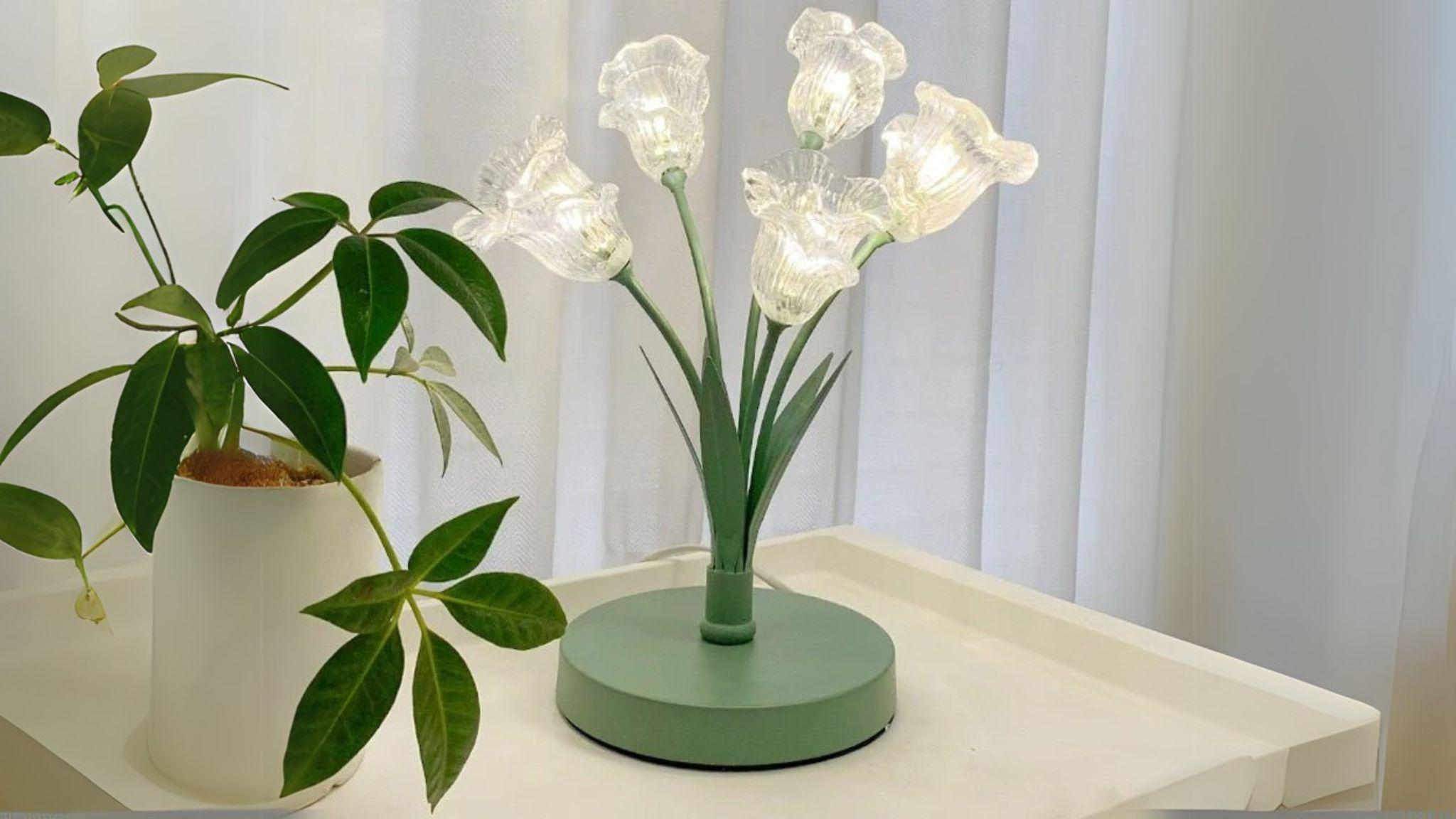
Biophilic design focuses on connecting inhabitants with nature through visuals and materials. In lighting, this trend manifests in fixtures inspired by natural forms—think organic shapes, flowing curves, and light patterns mimicking sunlight filtering through leaves. Incorporating eco-friendly, biodegradable materials such as bamboo, cork, or recycled plastics enhances sustainability and aesthetic harmony.
5. Adaptive and Human-Centric Lighting Technologies
Modern lighting solutions now include circadian rhythm lighting that adjusts throughout the day to support well-being. These adaptive systems mimic natural light cycles, reducing energy use while promoting health and comfort. Coupled with sensors and automation, they ensure lights are only on when needed, further enhancing eco-friendly practices.
Design Strategies for Eco-Conscious Interiors
Integrating sustainable lighting into your home requires a thoughtful approach. Consider the following strategies:
- Maximize natural light: Use large windows, skylights, and reflective surfaces to flood interiors with daylight, reducing reliance on artificial lighting during daytime.
- Select sustainable fixtures: Choose lights crafted from eco-friendly, renewable, or recycled materials, and prioritize low-impact manufacturing processes.
- Implement smart lighting systems: Automate lighting with sensors and remote controls to reduce unnecessary energy use.
- Combine layered lighting: Use ambient, task, and accent lighting thoughtfully to create versatile and energy-efficient illumination schemes.
- Opt for multifunctional fixtures: Select designs that serve multiple purposes or incorporate storage, further reducing material use and clutter.
Innovative Materials in Sustainable Lighting
Advances in material science have expanded the palette of eco-friendly options for lighting design:
- Bamboo: A fast-growing, renewable resource ideal for fixtures with a warm, natural aesthetic.
- Recycled glass: Used in shades and diffusers to create textured, eco-chic lighting pieces.
- Reclaimed wood: Adds rustic charm while supporting waste reduction.
- Bioplastics and biodegradable composites: Emerging options for lightweight, eco-friendly components.
Case Studies: Eco-Friendly Interior Lighting Projects in 2026
Many designers and homeowners are pioneering sustainable lighting solutions. Examples include:
- A contemporary living room featuring solar-powered pendant lights with reclaimed wood accents.
- A minimalist kitchen leveraging smart, energy-efficient LED strip lighting integrated with automated controls.
- An outdoor patio illuminated by vintage-inspired fixtures made from recycled glass and metals.
- An office space utilizing biophilic lighting inspired by natural sunlight patterns for employee well-being.
Practical Tips for Transitioning to Eco-Friendly Lighting
- Start by assessing your current lighting setup and identify areas for improvement.
- Replace outdated bulbs with LED or other energy-efficient options.
- Invest in smart lighting solutions that can be programmed or remotely controlled.
- Incorporate solar fixtures where feasible, especially for outdoor spaces.
- Choose fixtures made from sustainable materials and with eco-certifications.
- Donate or upcycle vintage and reclaimed fixtures to extend their lifecycle.
Conclusion
Eco-conscious lighting in 2026 transcends mere trend status—it embodies a fundamental shift towards sustainability, modern aesthetics, and health-conscious living. By embracing innovative designs, eco-friendly materials, and smart technologies, you can significantly reduce your environmental impact while creating beautiful, functional interiors. As you plan your next interior renovation or decor upgrade, prioritize sustainable lighting solutions that reflect your values and elevate your space.
Start transforming your home today by integrating these cutting-edge, eco-friendly lighting trends and contribute to a healthier planet while enjoying a more beautiful living environment.
Visit XENTAR for more lighting, decor & furniture curated for modern homes and creative spaces.
Share:
Revolutionizing Modern Home Aesthetics with Sustainable Smart Lighting Innovations in 2026
Transform Your Interior with Sustainable Smart Lighting Trends for a Modern, Eco-Friendly Home in 2026