

Discover biophilic layered lighting for small modern homes—smart zoning, eco-friendly decor, and ambient illumination for calmer, brighter interiors.
What is Biophilic Layered Lighting for Small Modern Homes?
Biophilic layered lighting blends nature-inspired aesthetics with smart technology to nurture wellbeing in compact spaces. By layering ambient, task, and accent light, you can mimic the calming rhythms of the outdoors, improve focus, and create flexible zones that adapt to daily life. In small homes, this approach makes rooms feel larger, more breathable, and visually cohesive, while reducing energy use through efficient sources and intelligent controls.
Smart Zonal Controls for Small Spaces
- Define zones by room or activity (living, kitchen, entry) and create distinct lighting scenes for each
- Employ occupancy and daylight sensors to turn lights off when spaces are unused and dim when natural light is ample
- Use circadian-friendly schedules that shift color temperature and brightness to match natural cycles
- Integrate with voice assistants and mobile apps for rapid, context-aware adjustments
Eco-Friendly Decor that Enhances Ambient Light
- Choose sustainable materials for fixtures: bamboo, cork, recycled metals, and responsibly sourced woods
- Opt for finishes that reflect light—matte whites, soft neutrals, and light-reflective surfaces to amplify glow
- Prioritize LED sources with high CRI (90+) and daylight-responsive dimming to align with outdoor light
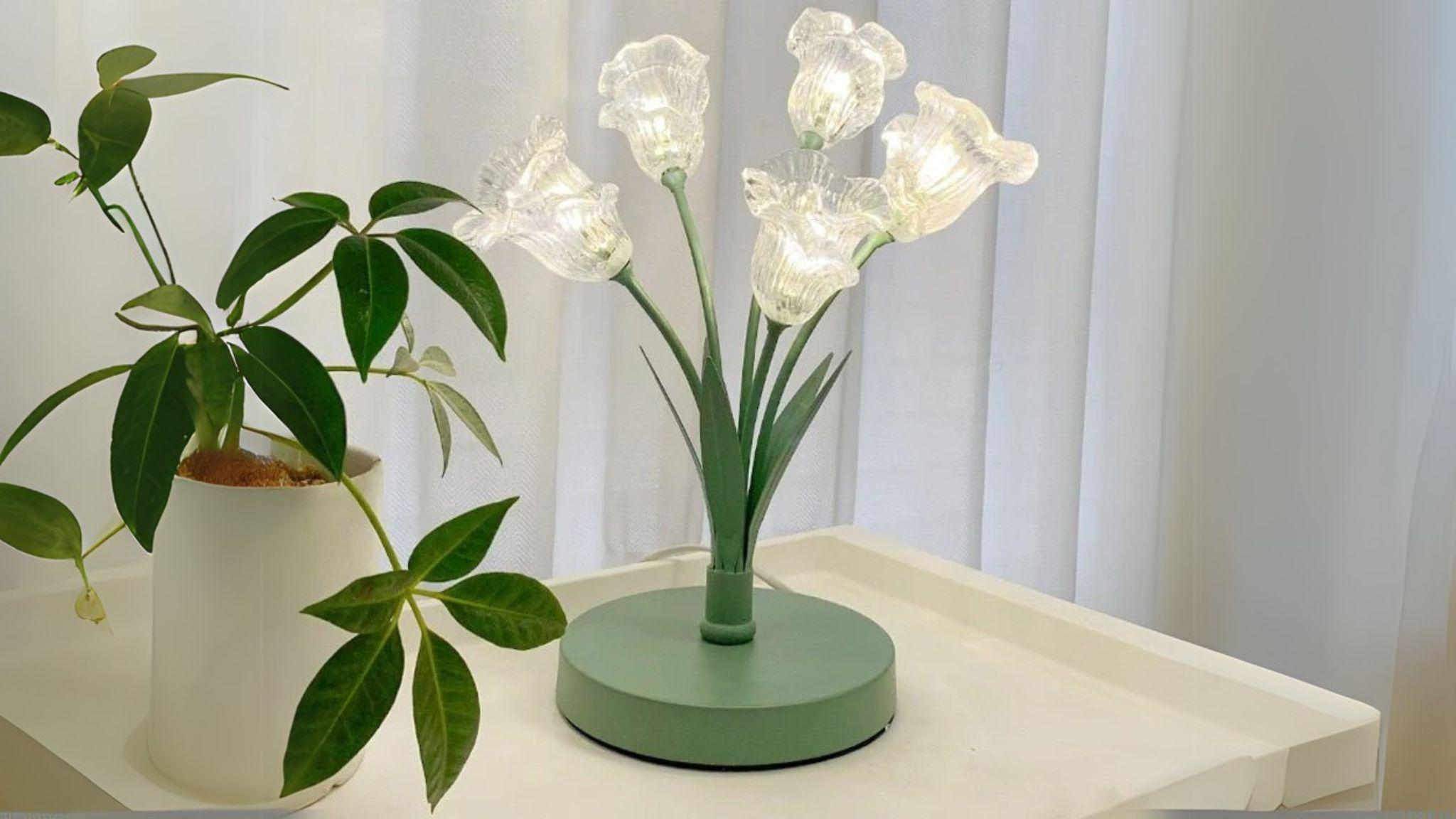
- Incorporate nature-inspired decor: greenery, organic textures, and natural fibers to soften shadows
Ambient Illumination Techniques for Tiny Rooms
- Layered approach: balance ambient, task, and accent lighting for depth and perceived space
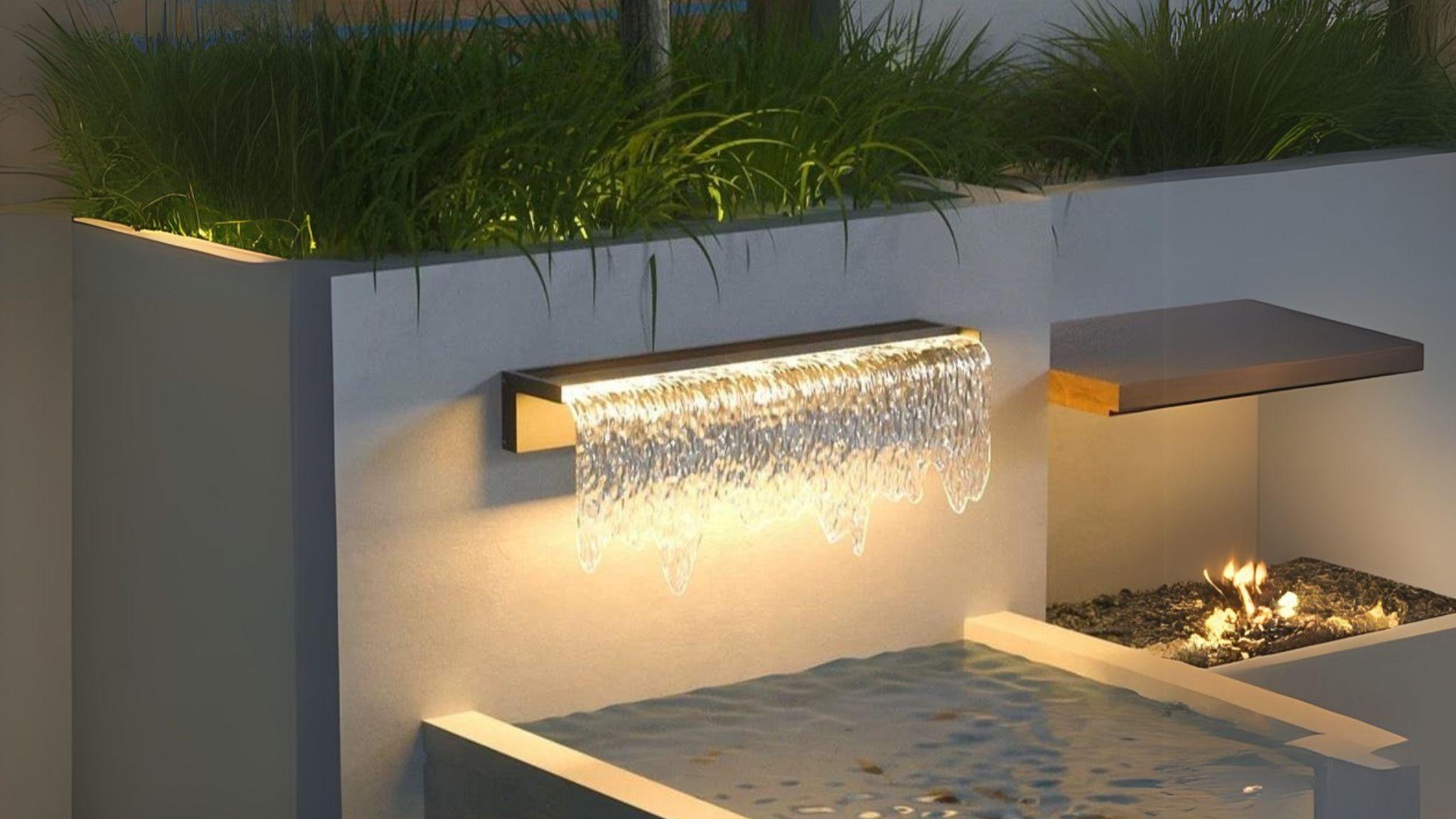
- Wall grazing and cove lighting add distance and texture without bulk
- Under-cabinet and shelf lighting extend usable work areas without clutter
- Color temperature strategy: cooler temps (3500K–4500K) for work zones, warmer temps (2700K–3000K) for relaxation
Practical Setups and Case Studies for Compact Footprints
These practical layouts demonstrate how to maximize a 20–40 square meter footprint while preserving style and comfort.
- Living area: a central ceiling fixture plus adjustable wall sconces and a dimmable floor lamp to tailor brightness
- Kitchen: under-cabinet LEDs, a smart pendant over the island, and a motion-activated strip for safety and efficiency
- Entry: a slim ceiling light with a reflective mirror or high-gloss panel to bounce light and visually widen the space
Color Temperature, Mood, and Material Choices
Color temperature influences mood as much as brightness. For multifunctional spaces, use tunable white lights that sweep from 2700K to 6500K. High CRI (>90) renders natural tones accurately, making art, textiles, and greenery appear vibrant. Materials matter too: choose fixtures with integrated diffusers to soften glare and reflect light evenly across surfaces.
Smart Home Integration and Future-Proofing
- Adopt a Matter-compatible hub to ensure broad device compatibility across brands
- Use Zigbee or Z-Wave for reliable networked lighting with low power draw
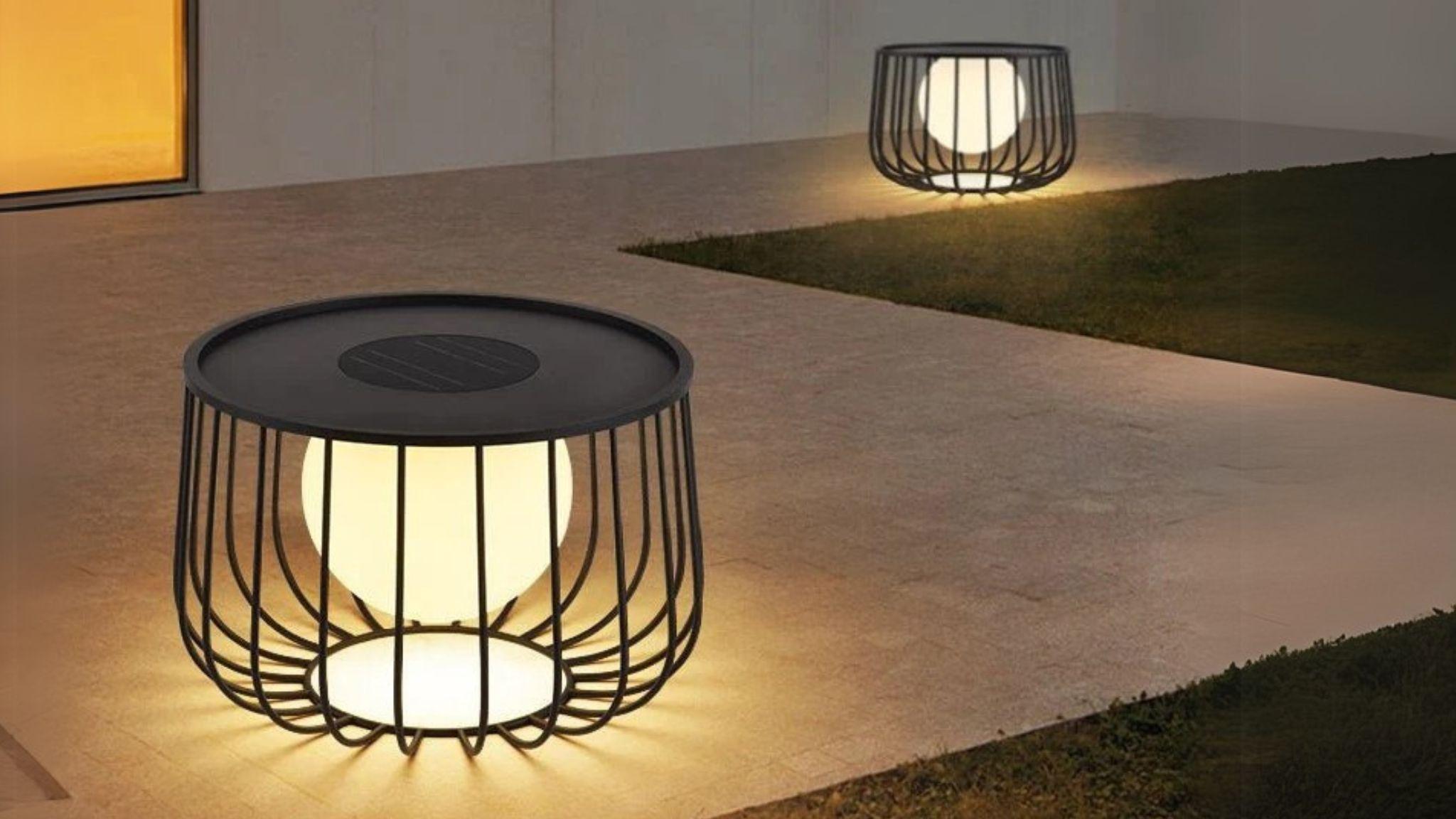
- Plan for battery-backed or solar-assisted options to maintain light during outages
- Design firmware updates and remote management into your workflow to keep systems secure and current
Seasonal Trends for 2026 and Beyond
- Biophilic interiors expand with living walls, vertical gardens, and plant-based textures
- Natural materials (bamboo, cork, stone) reappear in fixtures and furnishings for tactile warmth
- Adaptive daylighting and energy storage solutions become standard in small homes
- Palette shifts toward calming greens, earthy beiges, and soft neutrals that pair with warm LED dimming
Maintenance, Longevity, and Quality Assurance
Maximize life and performance with regular cleaning, LED module replacement per manufacturer guidelines, and timely software updates for smart hubs. Check drivers and connectors for heat buildup and ensure IP ratings match the room’s exposure. A proactive maintenance routine preserves efficiency and light quality over time.
Getting Started: A Simple 6-Step Plan
- Inventory each room’s tasks and natural daylight windows to determine lighting needs
- Map out zones and draft scenes for different times of day (morning, work, relaxation, nighttime)
- Choose eco-friendly fixtures with high CRI and tunable white capabilities
- Install layered lighting—ambient general, task-focused, and gentle accent lighting
- Link controls to a smart hub and test automation (occupancy, daylight, circadian schedules)
- Review energy use and comfort, then refine angles, intensities, and color temperatures
Conclusion: Elevating Small Spaces with Biophilic Lighting
Biophilic layered lighting for small modern homes blends nature, technology, and thoughtful design to create spaces that feel larger, healthier, and more engaging. Start with a clear zoning plan, choose eco-friendly fixtures, and embrace ambient layers for everyday magic.
Visit XENTAR for more lighting, decor & furniture curated for modern homes and creative spaces.
Share:
Adaptive Ambient Lighting for Compact Modern Homes: Zonal Controls, Smart Tech, and Eco-Friendly Decor
Biophilic Lighting for Small Living Spaces: Adaptive Zonal Controls, Mood-Enhancing LEDs, and Eco-Friendly Decor